Forget the summit selfie. Forget ticking your dream route. If your climbing protection checklist is an afterthought, you’re gambling with gravity—and gravity always wins. One skipped carabiner, one worn sling, and your “epic send” becomes a rescue call. The solution isn’t more gear—it’s smarter, stricter protocol.
Why Most Climbers Fail at Protection (Even the Experienced Ones)
Seasoned climbers trust muscle memory. Bad idea. Muscle memory forgets. It skips steps when you’re tired, rushed, or distracted by wind, cold, or ego. And here’s the industry-wide blind spot: most pre-climb checks focus on *having* gear—not whether it’s *functional*.
Ropes fray internally. Cam lobes seize up from grit. Belay devices wear down at contact points invisible to casual inspection. You wouldn’t drive a car without checking brakes—yet climbers routinely rope up with gear that hasn’t been audited in months. The math is simple: fatigue + complacency = catastrophic oversight.
Your Step-by-Step Climbing Protection Checklist
Inspect Every Stitch, Not Just the Shiny Parts
Run your hands along slings and webbing. Feel for stiff spots, discoloration, or thinning. UV damage doesn’t announce itself. If a sling looks faded, retire it—even if it “feels strong.” Strength degrades long before it snaps.
Test Moving Parts Under Load Simulation
Spring-loaded cams? Cycle them 5–10 times while applying light thumb pressure. They should move smoothly without sticking. Nuts? Check wires for kinks or corrosion. A bent wire might hold body weight—but not a fall factor 2.
Verify Anchor Integrity in Context
Don’t just clip into bolts because they exist. Are they modern stainless steel? Or old, rusted relics? Tap them. Listen. A dull thud suggests compromised rock behind. And never assume fixed gear is safe—ever. Bring your own equalized backup if in doubt.

| Protection Type | Pre-Climb Inspection Focus | Max Service Life (Even Unused) | Red Flags |
|---|---|---|---|
| Dynamic Rope | Core sheath integrity, flat spots, stiffness | 5–7 years | Fuzziness, core shots, persistent kinks |
| Camming Devices | Axle movement, trigger tension, lobe alignment | 10+ years (with maintenance) | Grit in springs, uneven lobe spread, sticky triggers |
| Quickdraws | Gate action, dogbone stitching, bend in carabiners | 5 years | Stiff gates, frayed webbing, gate lash (unintended opening) |
| Nuts & Hexes | Wire straightness, head sharpness, no cracks | Indefinite (if undamaged) | Bent wires, rounded edges, pitting |
Synchronize Gear With Route Demands
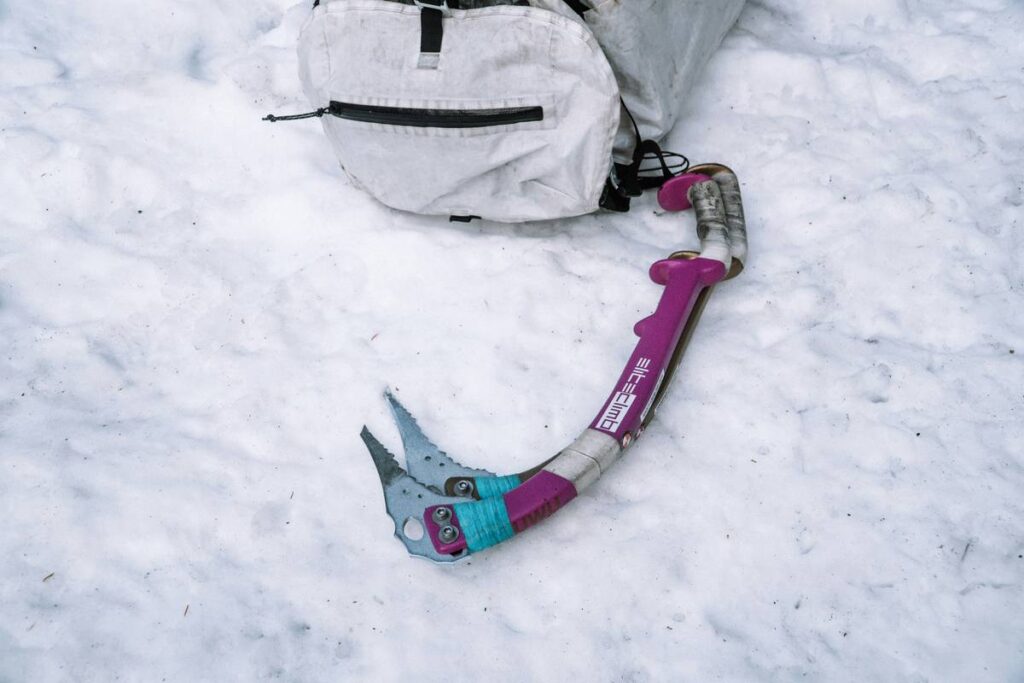
A desert crack climb needs double #3–#4 cams. Alpine ice? Your rack better include screamers for marginal placements. Your climbing protection checklist isn’t static—it shifts with terrain, weather, and partner skill level. Adapt or regret.

The Industry Secret Nobody Talks About: The “Two-Touch Rule”
Here’s what pro guides do off-record: they enforce a Two-Touch Rule. Gear isn’t just checked once—it’s verified twice. Once during packing the night before. Again at the base before roping up. And critically—the second check is done *silently*, alone, without conversation or distraction. Why? Because cognitive load kills attention. Talking about beta or lunch plans hijacks working memory. Silence forces presence. Try it. You’ll catch flaws you missed hours earlier.
Frequently Asked Questions
What’s the most commonly forgotten item on a climbing protection checklist?
Belay loop integrity. Climbers obsess over ropes but ignore the tiny loop connecting harness to belay device. Check it for abrasion monthly—retire at first sign of wear.
Can I reuse gear after a major fall?
No. After a hard fall (factor >1), retire the rope immediately. Inspect carabiners for gate deformation or spine bending—even microscopic changes compromise strength.
How often should I replace my quickdraws?
Every 5 years max—even with light use. UV exposure and repeated loading degrade nylon and metal. If dogs are frayed or gates feel gritty, replace sooner.