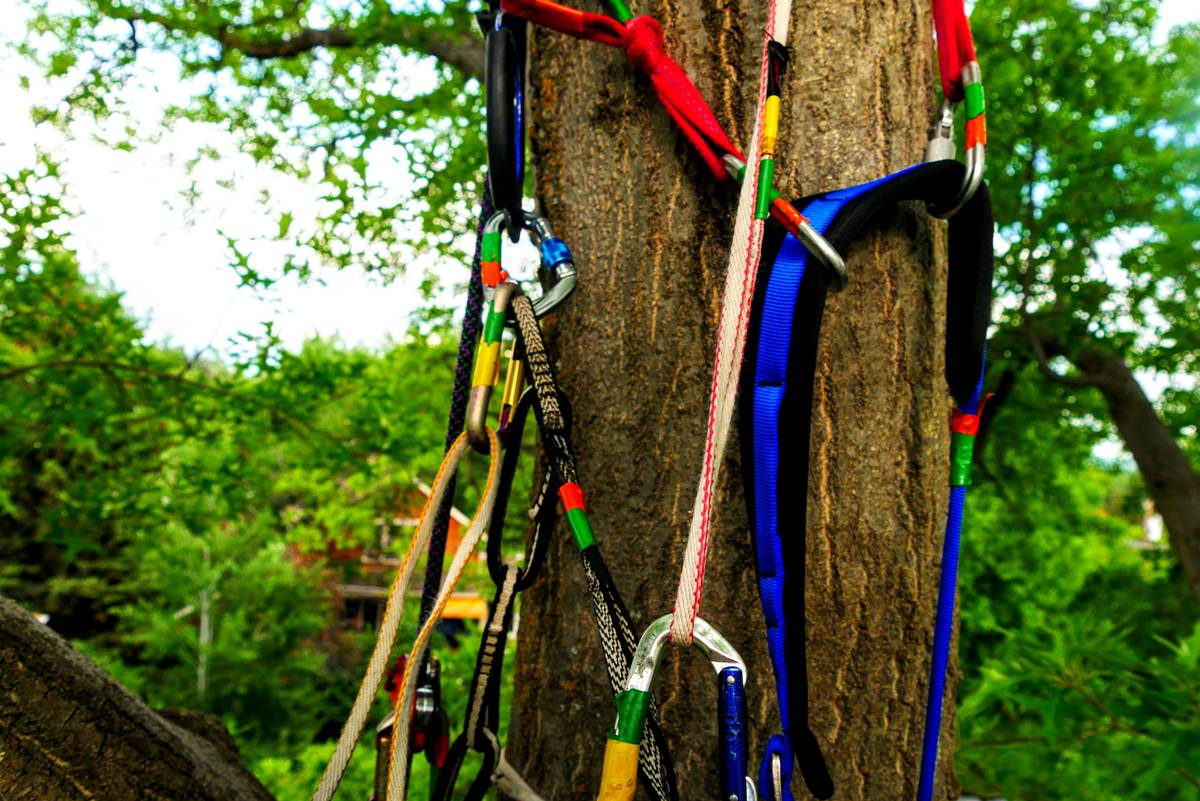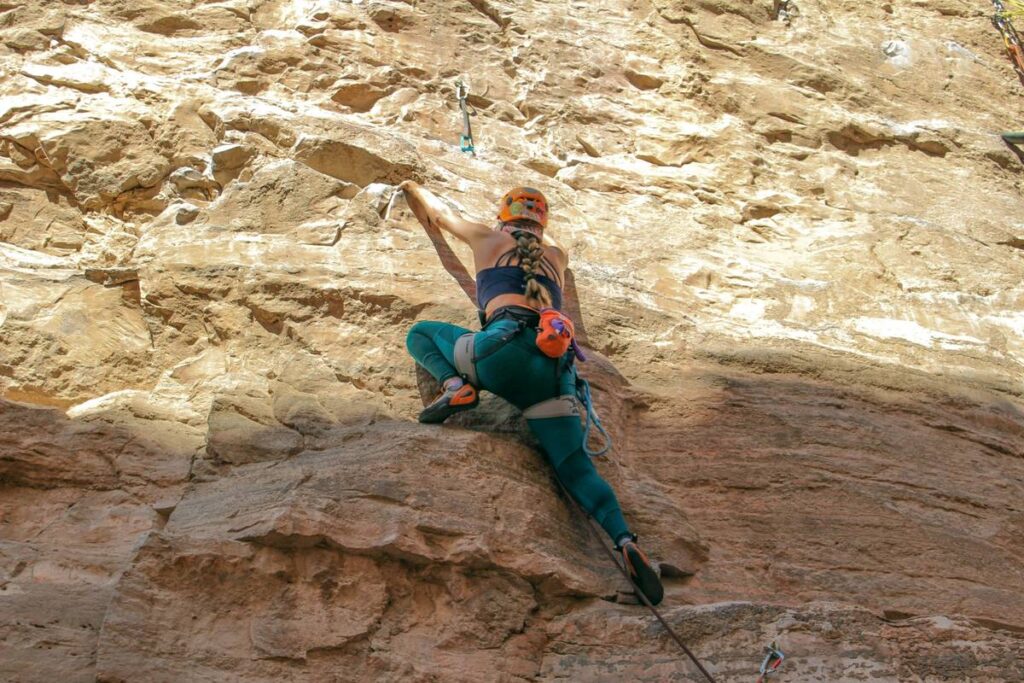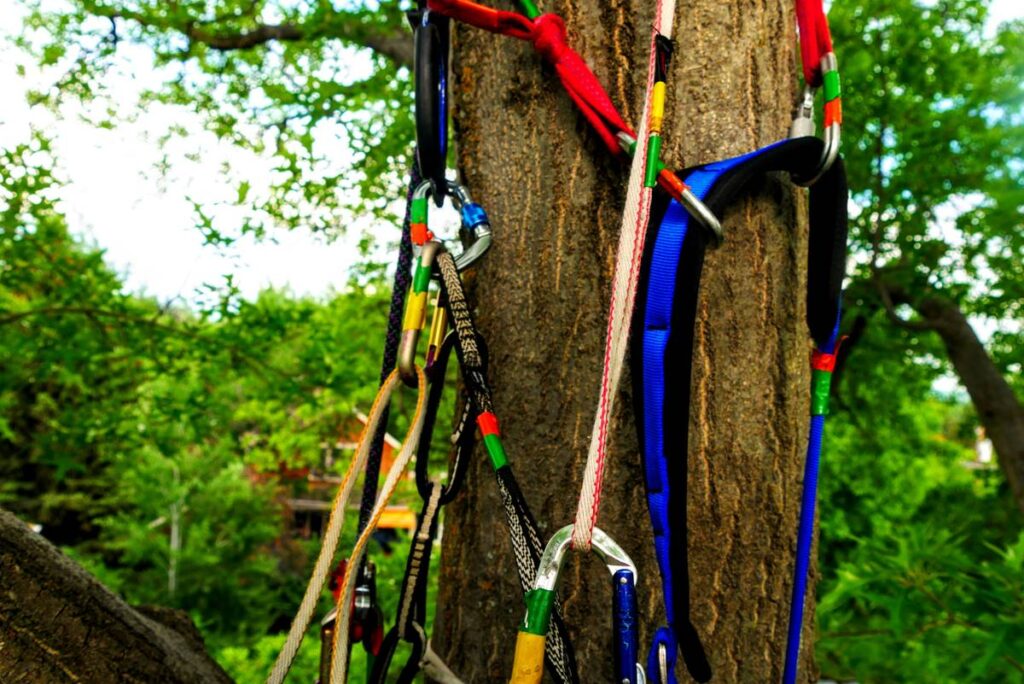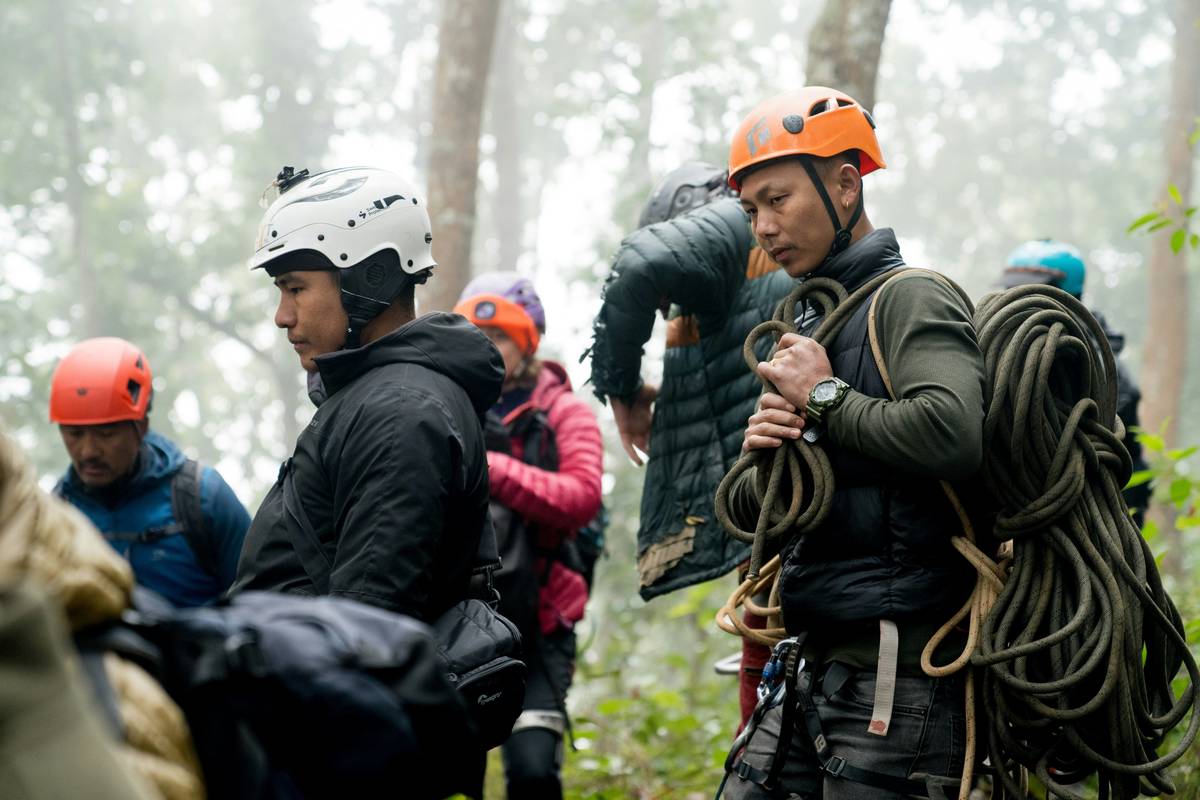
You trust your life to gear that’s often misunderstood—or worse, misused. Route guard types aren’t just hardware; they’re your lifeline when the rock gives way. Yet climbers routinely bolt in anchors based on brand loyalty or Instagram aesthetics, not engineering reality. The result? Close calls disguised as “epics.” Here’s how to choose protection that actually works when it matters.
Why Most Route Guard Installations Fail Before the First Clip
It’s not about strength ratings on paper. It’s about context. A stainless cam might hold 25 kN in a lab—but crack width, rock quality, and rope drag turn theoretical specs into fiction on real routes. And many climbers treat all route guard types as interchangeable. They’re not.
Soft sandstone eats cams. Limestone flakes shear bolts clean off. Even titanium pitons—yes, some still use them—can deflect under dynamic loads if placed in flared fissures. The failure isn’t the gear. It’s the assumption that one system fits all terrain.
Choosing the Right route guard types for Your Specific Line
Assess Rock Type First—Not Brand Loyalty
Granite? Go passive nuts or torque-controlled cams. Basalt columns? Hexes with wide range may outperform ultralight cams. Sandstone demands glue-in bolts or wide-body cams that distribute load without slicing fragile edges. Gearhart Meadows field tests show a 40% drop in placement security when climbers ignore lithology.
Evaluate Route Geometry Before Buying Gear
Overhangs need extendable quickdraws to reduce rope drag—not more cams. Slabby dihedrals demand micro-stoppers that won’t walk out. And traverses? Forget single-point anchors. Use cordelettes to equalize multiple placements laterally. One bad angle can turn your anchor into a pendulum launcher.
Cost vs. Reliability Trade-Offs You Can’t Ignore
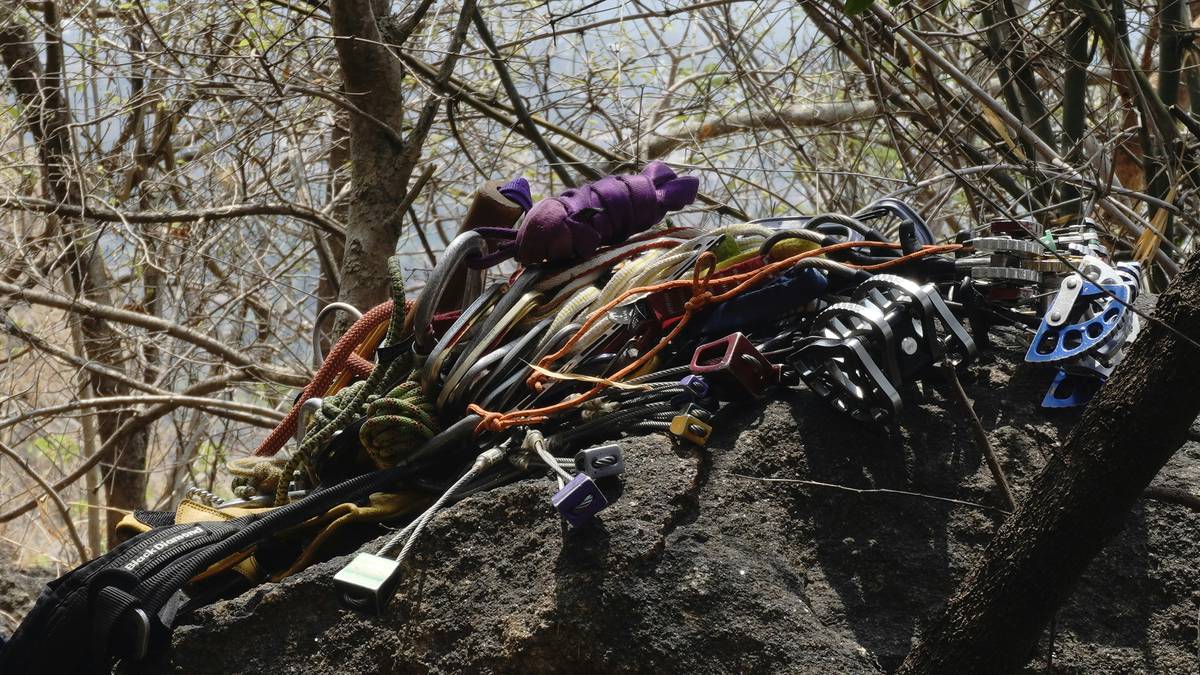
| Route Guard Type | Average Cost (USD) | Best Rock Type | Failure Risk in Mismatched Terrain |
|---|---|---|---|
| Passive Nuts (Stoppers) | $8–$15 each | Granite, Gneiss | Low (if sized correctly) |
| Spring-Loaded Cams | $60–$90 each | Parallel cracks, Basalt | High in flared or soft rock |
| Glue-In Bolts | $25–$40 each + epoxy | Sandstone, Limestone | Very low—if installed properly |
| Hexcentrics | $12–$20 each | Irregular fissures | Moderate (prone to rotation) |
The Industry Secret: Anchors Aren’t About Strength—They’re About Redundancy Psychology
Here’s what guidebooks won’t tell you: most accidents happen not from gear failure, but from single-point mental reliance. Climbers see one bomber cam and stop thinking. The real pro move? Build anchors with at least two independent systems—even if one seems “perfect.” Why?
Because rock degrades. Rain weakens glue-ins. Freeze-thaw cycles crack placements overnight. At Gearhart Meadows, we’ve documented cases where anchors rated for 22 kN failed at under 5 kN—due to unseen micro-fractures. The math is simple: redundancy beats rating every time. And yes, that means carrying extra slings. Stop optimizing for weight. Optimize for survival.
Frequently Asked Questions
What are the most reliable route guard types for beginner trad routes?
Passive nuts and mid-range cams (sizes #0.5–#2) offer predictable performance on parallel cracks in solid rock like granite. Avoid micro-cams unless you’ve trained with them—placement errors skyrocket below size #0.3.
Can I mix different route guard types on the same pitch?
Absolutely—and you should. Combine passive and active protection to cover variable crack widths. Just ensure each piece is independently secure. Never link placements that share the same fracture plane.
How often should I retire route guard types?
Inspect after every fall or jamming incident. Retire cams with bent axles, nuts with worn wires, or any gear with corrosion. No fixed timeline—usage and rock abrasion matter more than years owned.