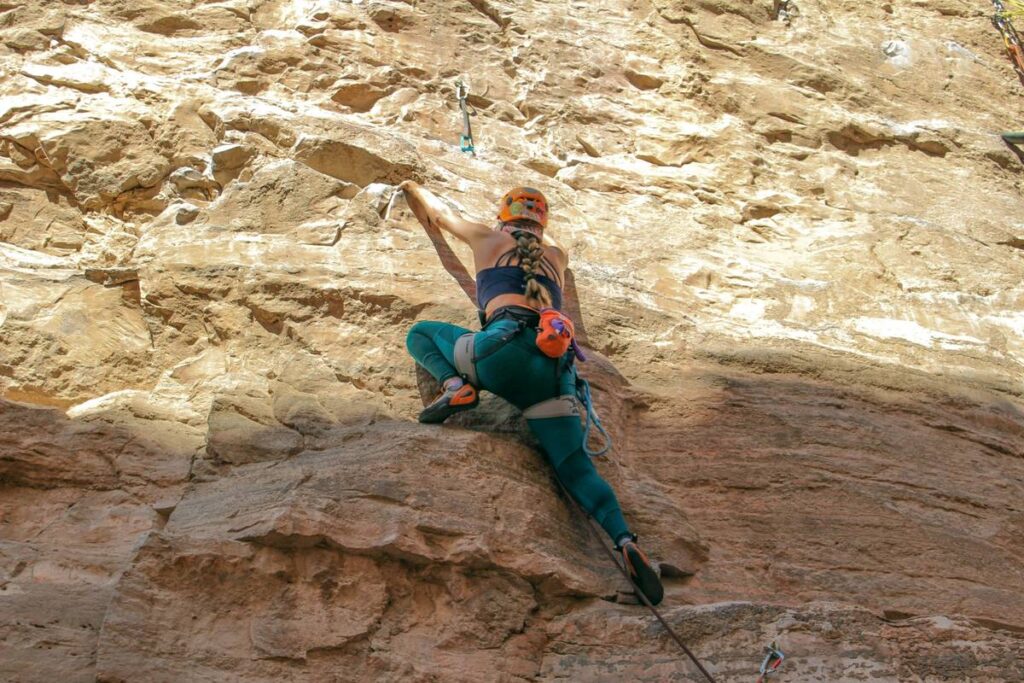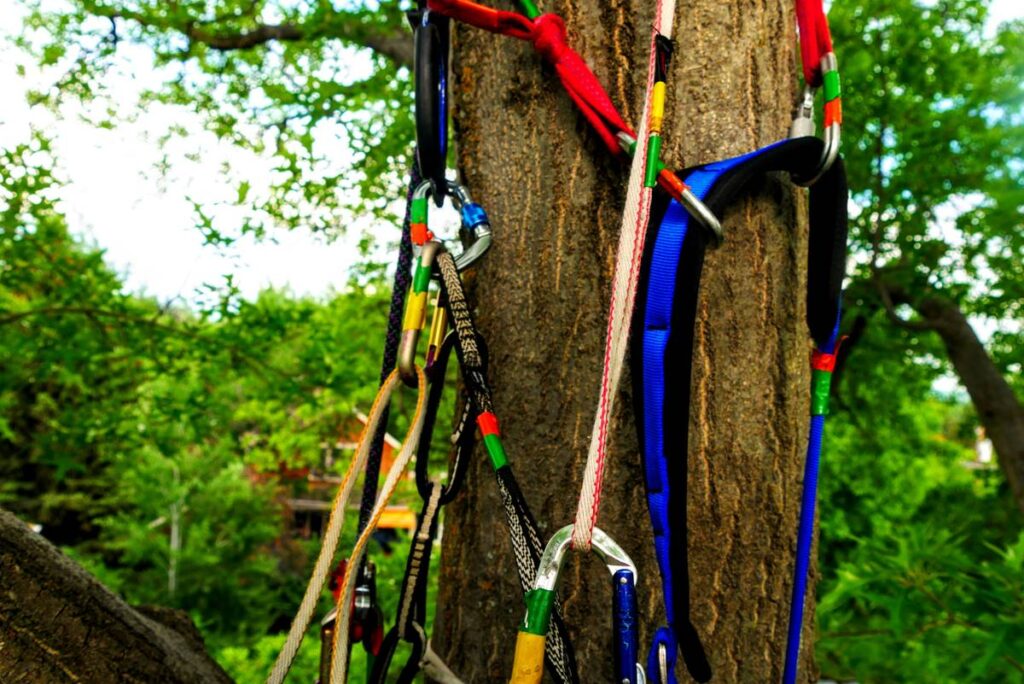
You’re halfway up a granite wall. Your last piece of protection? Questionable. The route guard you placed an hour ago is now out of sight—and possibly out of function. One fall could mean disaster. This isn’t fearmongering; it’s reality for climbers who treat route guarding as an afterthought. But here’s the fix: smart, proactive route guard tips that turn vulnerability into control.
Why Most Route Guarding Fails Before You Even Clip In
Most climbers slap on gear like it’s fashion—matching colors, not forces. They trust “standard practice” without questioning whether it actually works on their specific line. And it doesn’t. Rock quality shifts. Rope drag multiplies unexpectedly. Anchors degrade under sun and stress. The result? A route guard that looks solid but crumbles when you need it most.
Worse, many rely solely on passive pro without evaluating dynamic movement or fall vectors. Think about it: if your rope runs at a 45-degree angle through marginal gear, that piece isn’t guarding the route—it’s baiting a trap.
Route Guard Tips: A Tactical Playbook for Real Rock
Assess the Line Before You Leave the Ground
Study the topo—but then ignore it. Walk the base. Tap the rock. Look for loose flakes, water streaks, or chalked holds that signal repeated failure. Your eyes override any PDF.
Place Redundant, Directional Pieces Early
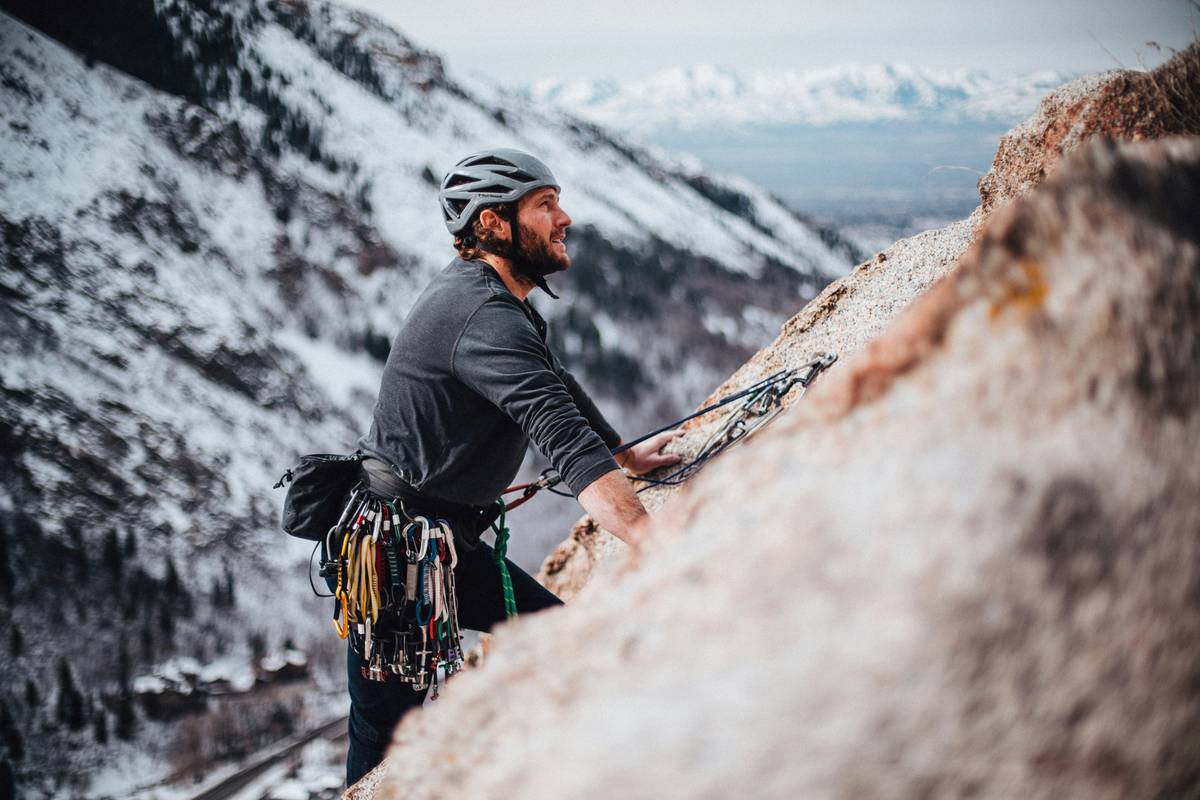
Your first three pieces shouldn’t just hold weight—they should redirect force away from sketchy terrain. Use cams with opposite orientations or combine nuts with hexes. Redundancy isn’t paranoia; it’s physics.
Manage Rope Drag Like a Conductor
Draping rope equals death by friction. Every unnecessary zigzag eats inches off your fall clearance. Clip thoughtfully. Extend placements with slings where angles shift sharply. Smooth = safe.
| Protection Strategy | Best For | Failure Risk | Cost (USD) |
|---|---|---|---|
| Single Cam Placement | Clean, parallel cracks | High if rock fractures | $60–$80 per unit |
| Nut + Sling Anchor | Constrictions, shallow seams | Medium—depends on seating | $5–$15 per nut |
| Opposed Cams (Redundant) | Variable-width cracks | Low—with proper placement | $120–$160 (two units) |
| Bolted Belay + Natural Pro | Sport/trad hybrids | Very low—if bolt is sound | $0 (existing infrastructure) |
Re-Evaluate Mid-Pitch
That bomber cam at 30 feet might be useless by 60 if the crack pinches shut. Pause. Test gear subtly by weighting via foot or hand. If it groans—or worse, spins—back off and re-route. Better slow than sorry.
The Industry Secret No Guidebook Will Tell You
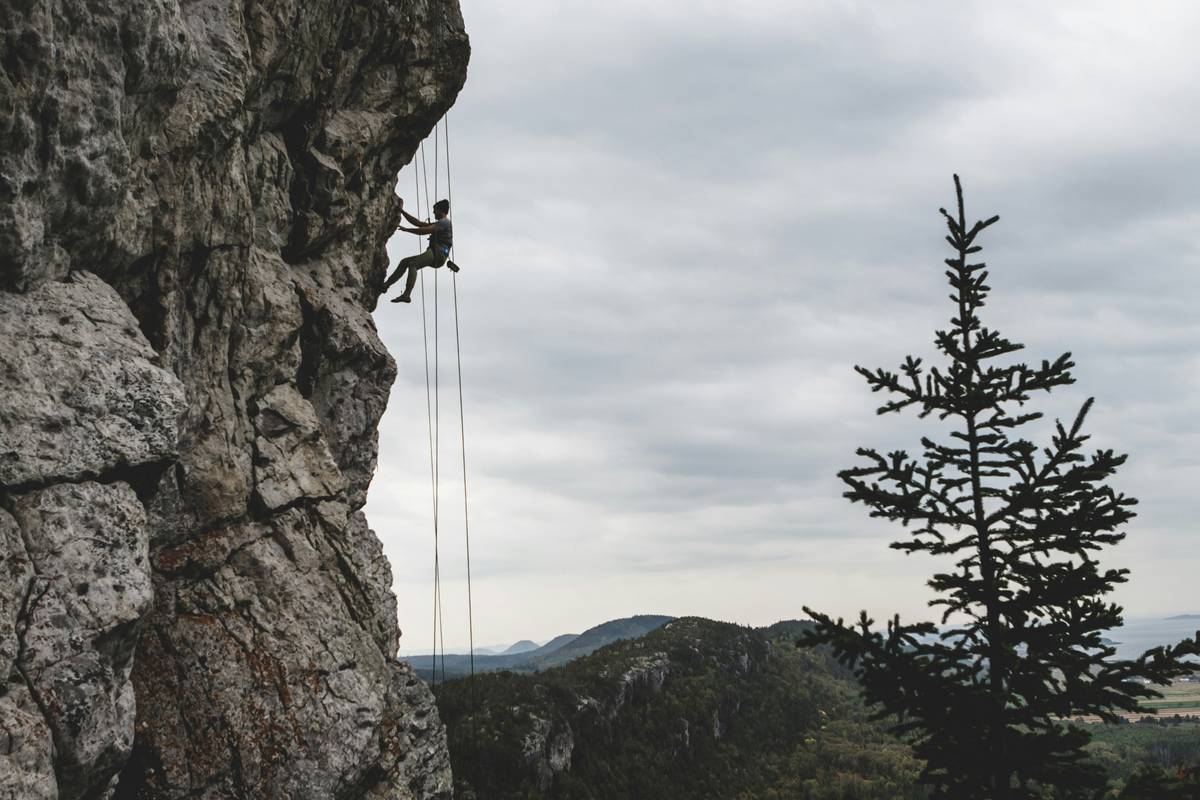
Here’s what the pros do quietly: they pre-fail their systems. Before committing to hard moves above gear, they simulate a micro-fall—just a few inches—by hopping lightly on the rope while hanging. It’s not theatrics. It tests real-world engagement. Does the cam walk? Does the nut shift? If yes, it’s not protection—it’s decoration. And decorations don’t stop falls.
Manufacturers won’t say this because it implies their gear isn’t foolproof. But gear isn’t magic. It’s metal meeting stone under chaos. Your job? Make that meeting count.
FAQ
What’s the biggest mistake beginners make with route guards?
Assuming all placements are equal. A cam in soft sandstone behaves nothing like one in Yosemite granite. Context beats catalog specs every time.
How often should I replace my climbing protection?
After any major fall, visible deformation, or if it’s over 10 years old—even if unused. Metal fatigues silently.
Can I use slings as route guards?
Only as extenders—not primary pro. Slings offer zero active holding power. They manage drag, not danger.