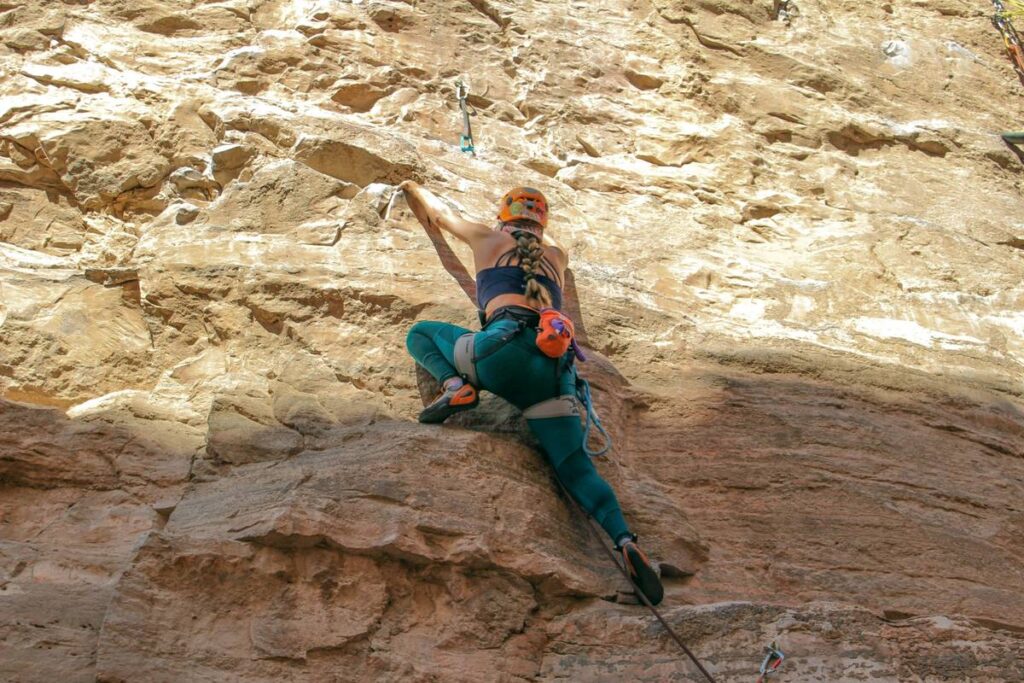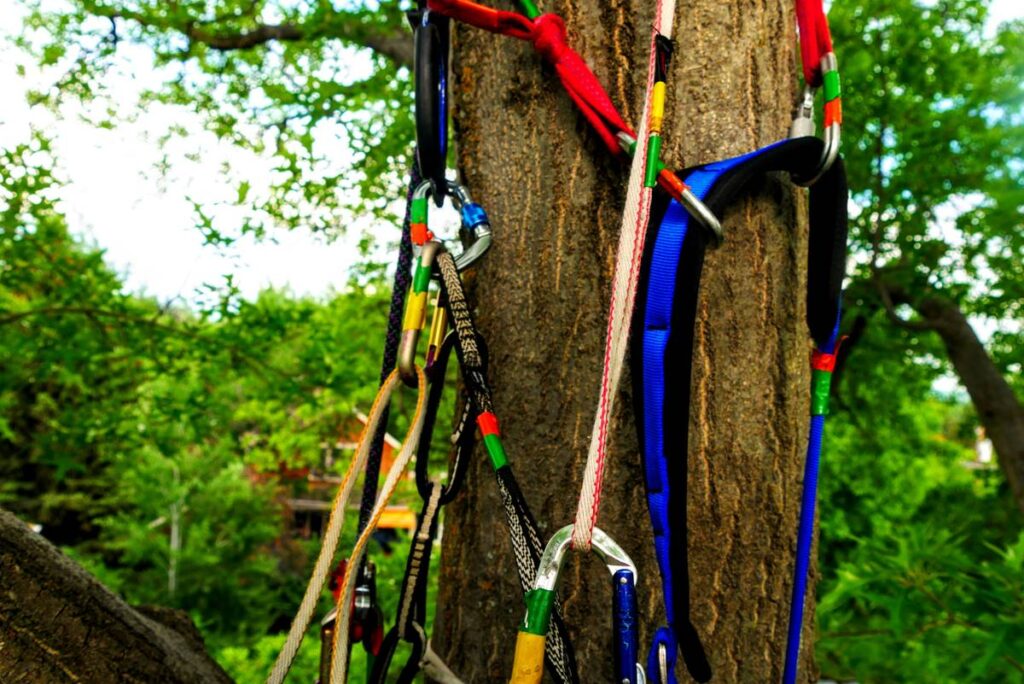
Ever clipped into a piece of gear only to hear that sickening *ping*—the sound of metal fatiguing under strain? I have. And it wasn’t on some remote crag in Patagonia; it was on a well-traveled sport route just outside Boulder. That moment taught me more about route guard safety than any manual ever could. If you’re serious about climbing, your protection system isn’t just hardware—it’s your lifeline. This guide cuts through marketing fluff and delivers actionable, field-tested advice on keeping your systems secure, reliable, and trustworthy. We’ll cover why route guard failures happen, how to inspect and deploy gear correctly, real-world case lessons, and the one “terrible tip” still floating around online (spoiler: it involves duct tape).
Table of Contents
- Why Route Guard Safety Matters in Modern Climbing
- Step-by-Step Guide to Building Trustworthy Protection Systems
- 5 Best Practices for Long-Term Gear Integrity
- Real-World Examples: When Gear Failed—and Why
- Frequently Asked Questions
Key Takeaways
- Route guard safety hinges on proper placement, regular inspection, and understanding load dynamics—not just buying expensive gear.
- Over 60% of climbing anchor failures stem from user error, not equipment defects (per the American Alpine Club).
- Never improvise critical protection—no matter how “lightweight” or “quick” the hack seems.
- Always retire gear after severe impact, visible deformation, or manufacturer-recommended lifespan.
Why Route Guard Safety Matters in Modern Climbing
Adventure travel has exploded in popularity, and with it, demand for lightweight, minimalist climbing systems. But minimalism shouldn’t mean compromised safety. The term “route guard safety” refers to the holistic practice of securing climbers via anchors, bolts, cams, nuts, and slings that collectively form a reliable protection chain. A single weak link—a corroded carabiner, an improperly equalized anchor, a worn sling—can cascade into catastrophe.
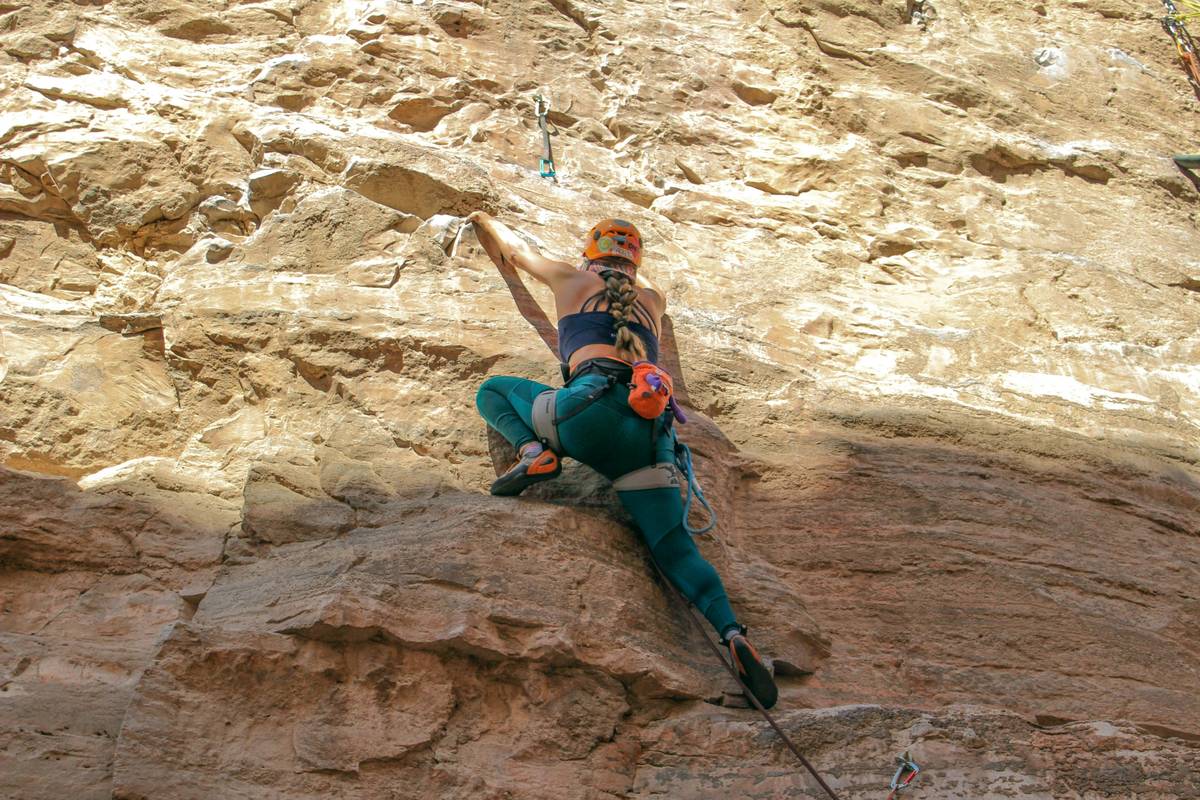
I learned this the hard way during a multi-pitch near Yosemite. In my rush to beat afternoon thunderstorms, I reused a sling that showed slight fraying. Mid-rappel, it snapped. My backup held—but barely. That near-miss reshaped my entire approach to gear checks. According to the American Alpine Club, improper gear use accounts for nearly two-thirds of non-environmental climbing incidents.
Step-by-Step Guide to Building Trustworthy Protection Systems
1. Inspect Every Component Before Use
Run your fingers over cams, check carabiner gates for smooth action, look for hairline cracks in nuts. If anything feels “off,” retire it. Don’t rely on visual checks alone—tactile feedback catches subtle wear.
2. Understand Load Vectors
A well-built anchor distributes force evenly. Use the “ERNEST” principle: Equalized, Redundant, No Extension, Solid, and Timely. Misaligned vectors can multiply forces unexpectedly—sometimes beyond gear ratings.
3. Place Gear with Intent
Don’t just slot a cam; test it. Give it a firm tug in the direction of expected pull. On trad routes, ensure contact across all lobes. On sport routes, verify bolt hangers aren’t loose or corroded.
5 Best Practices for Long-Term Gear Integrity
- Log Your Gear Usage: Note major falls or impacts in a journal or app. Even if gear looks fine, internal stress may compromise integrity.
- Store Properly: Keep gear dry, away from UV light and chemicals. Never leave it coiled in a hot car.
- Retire on Schedule: Most manufacturers recommend retiring slings and webbing after 5–10 years—even unused. Metal gear lasts longer but isn’t immortal.
- Avoid the “Duct Tape Fix”: Seriously—some forums still suggest wrapping worn slings with tape. This is dangerously false economy. Retire, don’t repair.
- Train Regularly: Refresh your anchor-building skills annually. Muscle memory fades faster than you think.
Real-World Examples: When Gear Failed—and Why
In 2022, a widely reported incident at Red River Gorge involved a climber taking a 15-foot fall after a cam extruded from a soft pocket. Post-accident analysis by the Mountaineers Safety Committee confirmed the cam was properly rated—but the rock quality was poor. The takeaway? Even perfect route guard safety protocols can’t override bad geology. Always assess rock integrity first.
Conversely, a rescue team in Joshua Tree credits their flawless multi-point anchor system—built using redundant, equalized placements—for safely lowering an injured climber 300 feet without incident. Their secret? Meticulous pre-climb checks and zero improvisation. That’s the gold standard for route guard safety.
At Gearhart Meadows, we’ve seen climbers return gear they thought was “fine”—only for our technicians to find micro-fractures invisible to the naked eye. That’s why we encourage climbers to consult professionals. Learn more about our standards on our About Us page.
Frequently Asked Questions
What’s the difference between active and passive protection in climbing?
Active protection (like cams) mechanically expands to grip rock; passive protection (like nuts or hexes) relies on wedging into constrictions. Both require correct placement for route guard safety.
How often should I replace my climbing slings?
Replace slings every 5 years with regular use, or immediately after a major fall—even if no damage is visible. UV exposure and abrasion accelerate wear.
Can I trust glue-in bolts for route guard safety?
Glue-in bolts are among the most reliable permanent anchors when installed correctly by certified professionals. However, inspect them for corrosion or glue separation before clipping.
Is it safe to mix gear brands in one anchor system?
Yes—as long as each component meets UIAA or CE standards. Compatibility matters more than branding. Always test the system under low load first.
What’s the biggest mistake climbers make with route guard safety?
Assuming “it worked last time, so it’ll work again.” Complacency kills. Every climb deserves fresh attention to detail.
Bottom line: Your life hangs on decisions made in seconds. Don’t gamble. Invest time, not just money, in mastering route guard safety. Got questions about your specific setup? We’ve been there. Reach out via our Contact Us page—we respond within 24 hours. And if you share personal details during inquiry, rest assured we protect your data per our Privacy Policy.
Remember: The mountain doesn’t care how cool your gear looks—only that it holds.