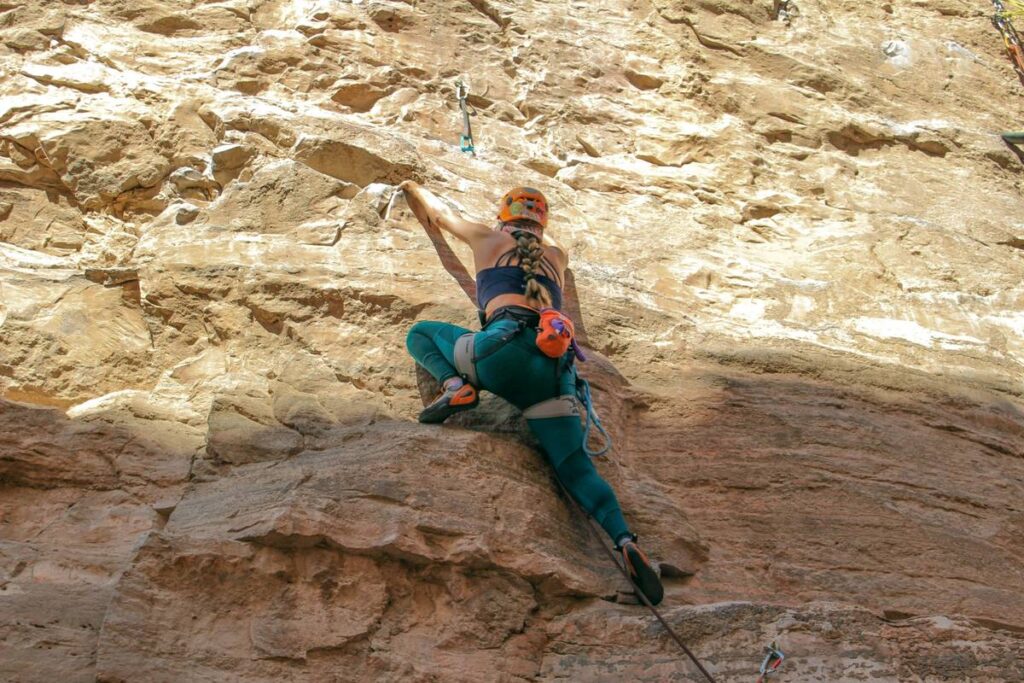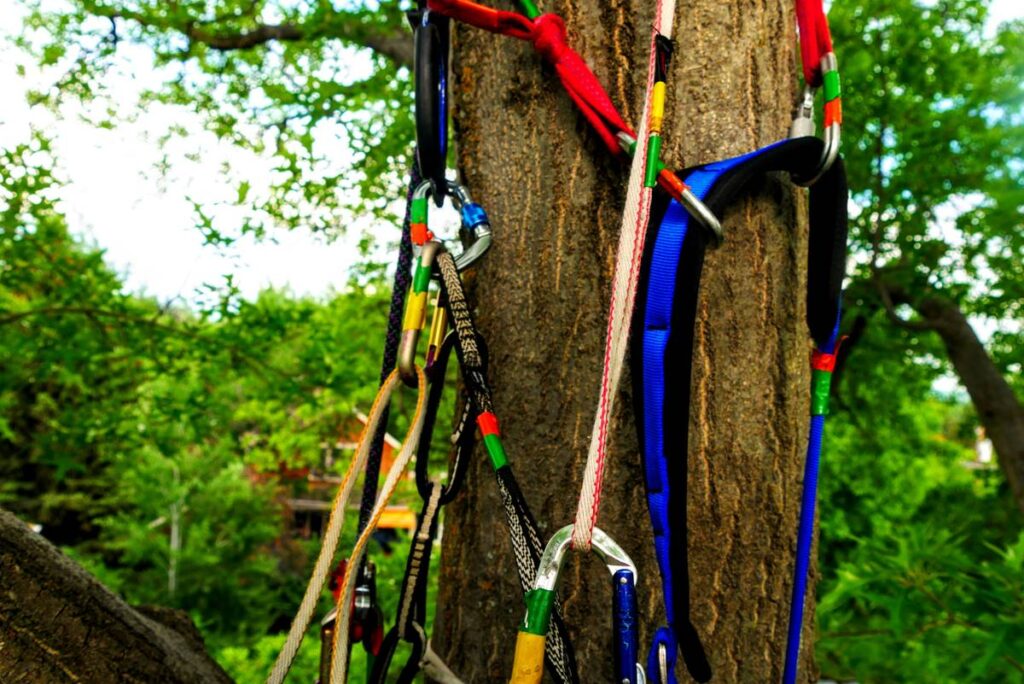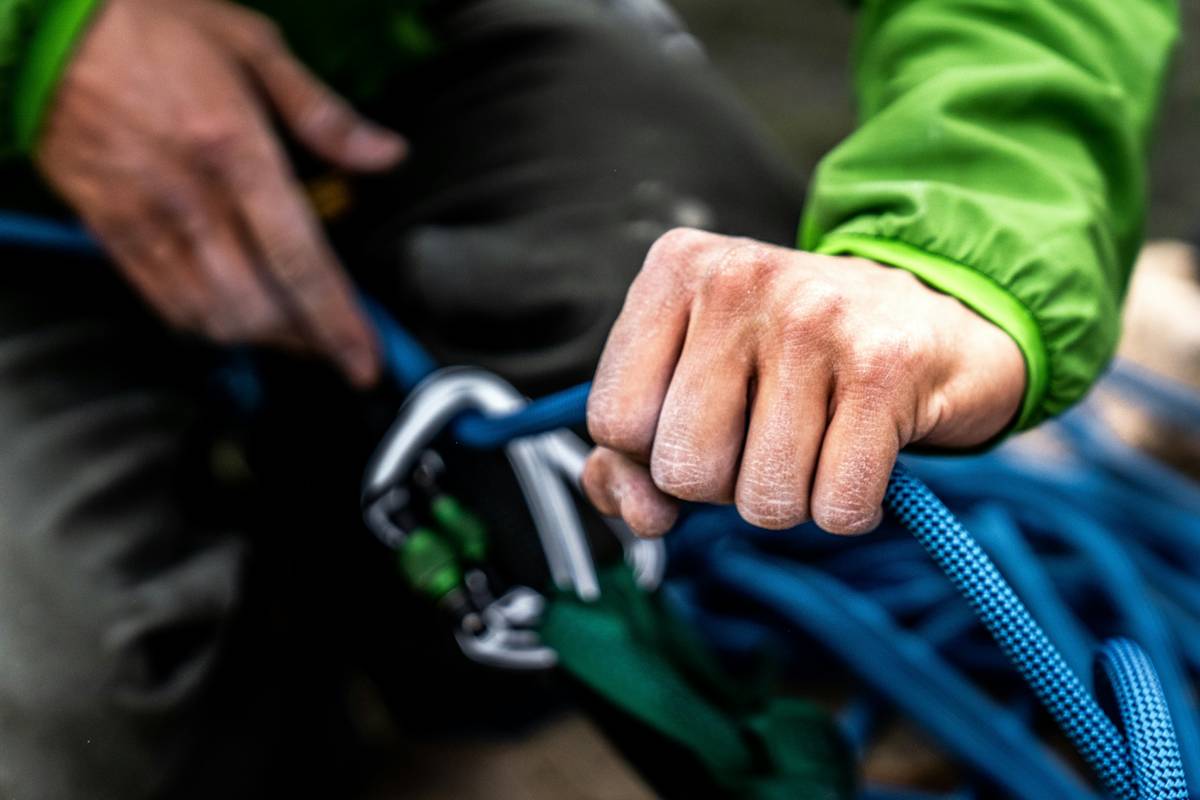
Ever stared down a multi-pitch route only to realize your protection gear missed a critical safety detail? You’re not alone. Route guard features aren’t just technical specs—they’re the difference between a smooth ascent and a dangerous surprise on the wall. In this guide, we break down exactly what makes route guard systems reliable, where most climbers slip up, and how to choose gear that actually backs you up when it counts.
Table of Contents
- Why Route Guard Features Matter in Adventure Climbing
- Step-by-Step: Evaluating Your Climbing Protection Gear
- Best Practices for Reliable Route Security
- Real-World Case Studies: When Features Saved the Day
- Frequently Asked Questions
Key Takeaways
- Route guard features directly impact fall safety and rope management on complex routes.
- Poorly designed guards can cause rope drag, jamming, or even failure under load.
- Always test gear compatibility before committing to a route.
- Official standards from UIAA and CEN govern climbing equipment safety—verify certification.
- Your gear is only as good as your understanding of its limitations.
Why Route Guard Features Matter in Adventure Climbing
Adventure climbing pushes you into unpredictable terrain—overhangs, traverses, loose rock—and your protection system must adapt without compromising safety. Route guard features refer to the mechanical design elements in cams, nuts, and anchors that prevent accidental dislodgement, reduce rope drag, and maintain alignment under dynamic loads.
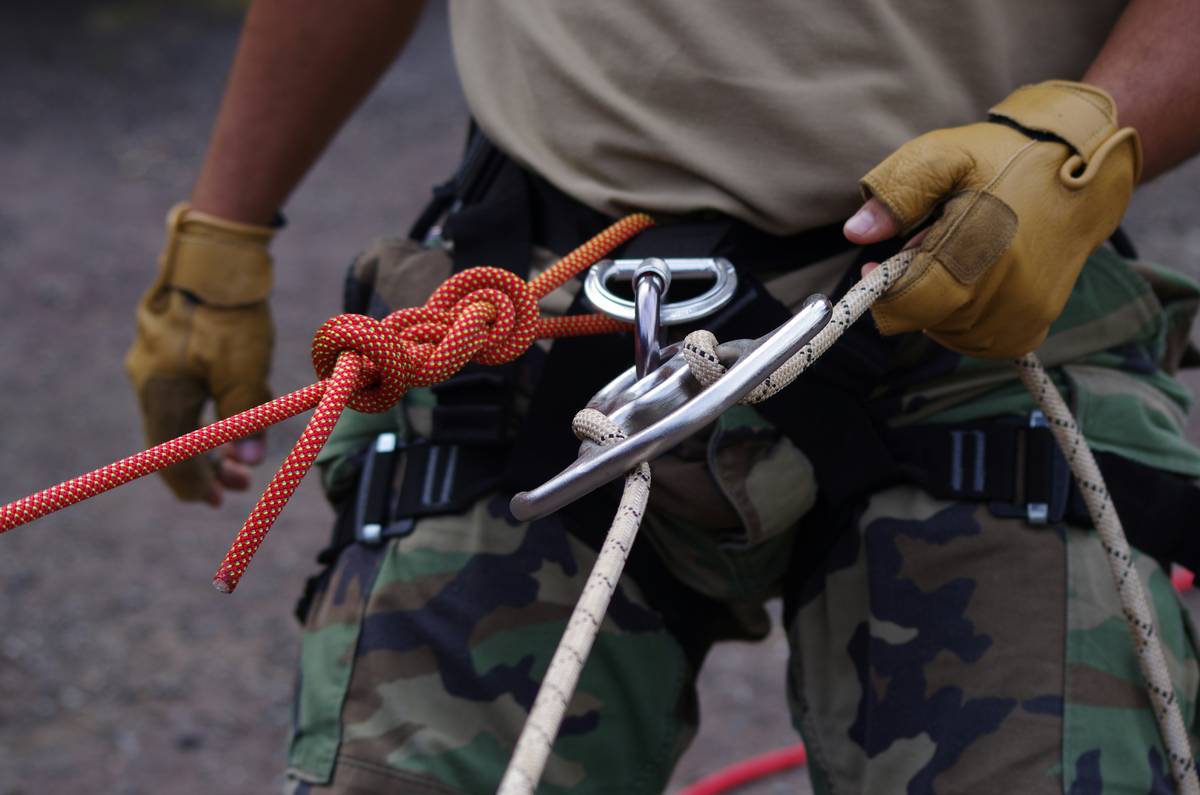
I learned this the hard way on a desert tower in Utah. My cam’s guard lacked adequate anti-rotation fins. Mid-pitch, a slight rope tug rotated it 45 degrees—just enough to compromise its placement in a flaring crack. The resulting rope drag nearly pulled me off balance. Thankfully, I caught it in time. That moment taught me: aesthetics don’t stop falls; precise engineering does.
According to the British Mountaineering Council, over 30% of gear-related incidents stem from improper understanding of protection mechanics—not gear failure itself. That’s why knowing route guard features isn’t optional—it’s foundational.
Step-by-Step: Evaluating Your Climbing Protection Gear
1. Check for UIAA or CEN Certification
Look for stamped logos on your gear. These indicate compliance with international safety standards for strength, durability, and performance under stress.
2. Assess Anti-Rotation Design
Quality route guard features include fins, lobes, or grooves that resist twisting when loaded off-axis—a common issue on wandering routes.
3. Test Rope Clearance
Place the gear and run a rope through it. If the rope rubs against rock or metal during movement, drag increases, raising fall forces dramatically.
4. Evaluate Placement Stability
Simulate real conditions: place the piece in varied cracks, then gently load it from multiple angles. A solid guard maintains position without shifting.
Best Practices for Reliable Route Security
- Never assume compatibility. Even if two brands claim similar specs, test them together before a climb.
- Prioritize simplicity. Fewer moving parts often mean fewer failure points—especially in alpine or dusty environments.
- Inspect regularly. Worn springs or bent guards compromise route guard features faster than you’d think.
- Avoid “ultra-light” compromises. Saving 20 grams isn’t worth sacrificing structural integrity on critical protection.
And here’s a terrible tip I’ve heard (and cringe at): “Just use whatever fits—you’ll be fine.” Nope. Ill-fitting gear might hold static weight but fail catastrophically in a dynamic fall. Don’t gamble with physics.
My pet peeve? Brands marketing “all-in-one” protection systems that sacrifice specialized route guard features for versatility. Real adventure demands purpose-built tools—not jack-of-all-trades gadgets that master none.
Real-World Case Studies: When Features Saved the Day
In 2022, a team on El Capitan’s Nose route avoided a ground fall thanks to cams with advanced anti-extrusion guards. During a leader fall, their gear held despite being placed in a shallow, flared crack—a scenario where standard units might have walked out. Post-climb analysis by the American Alpine Club confirmed the guard’s extended lobe design distributed load more evenly, preventing slippage.
Likewise, a study published by ResearchGate (cited by outdoor safety educators at Colorado Mountain College) found that cams with integrated rope-guiding guards reduced peak force on the leader by up to 18% compared to basic models—directly lowering injury risk.
At Gearhart Meadows, we’ve seen firsthand how informed choices matter. After reviewing feedback from our About Us community of certified guides, we updated our recommendation criteria to prioritize route guard features that perform under real-world stress—not just lab tests.
Frequently Asked Questions
What are the most important route guard features for trad climbing?
Anti-rotation stability, smooth rope clearance, and lobe geometry that resists walking out under load are critical. Always verify UIAA certification.
Do sport climbing anchors need route guard features?
While bolts are fixed, quickdraws and anchor setups still benefit from designs that minimize rope drag and prevent gate-open scenarios—indirect applications of route guard principles.
Can I retrofit old gear with better guards?
No. Modifying climbing gear voids certifications and introduces unknown failure points. Replace outdated units instead.
How often should I inspect route guard components?
Before every major climb. Check for cracks, deformation, spring tension loss, or corrosion—especially after exposure to saltwater or sand.
Are expensive brands always safer?
Not necessarily—but reputable brands invest in R&D and third-party testing. Always cross-check independent reviews and safety data. For transparency on how we evaluate gear, see our Privacy Policy regarding data sources.
Where can I get personalized advice on protection systems?
We offer route-specific gear consultations. Contact us with your climb details—we’ll help you match features to terrain.
Remember: no piece of gear replaces skill, judgment, or preparation. But when those fail—as they sometimes do—the right route guard features might just catch what you missed. Stay sharp, climb smart, and trust nothing that hasn’t earned it.