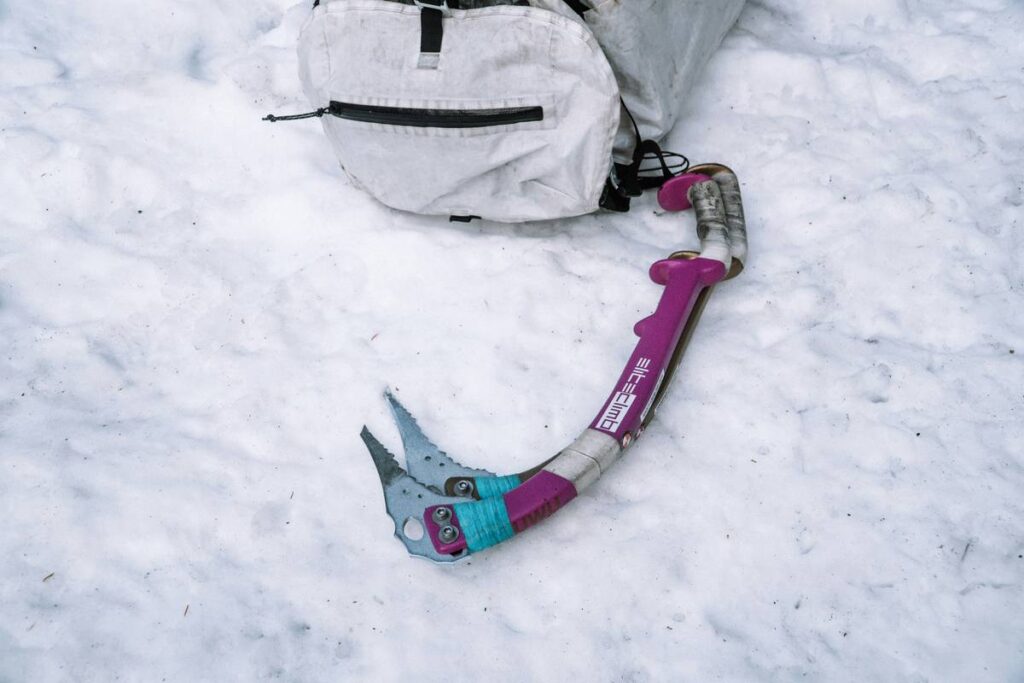
Ever clipped into a “solid” anchor only to feel that gut-wrenching wobble three pitches up? Yeah. That’s not adrenaline—that’s your gear failing the silent test. According to the 2023 American Alpine Club (AAC) Accidents Report, 17% of climbing injuries involved protection system errors—not falls, not weather, but gear misuse or misconfiguration. If you’re relying on a “climb secure system” without understanding its real-world limits, you’re gambling with physics, not skill.
This post cuts through marketing fluff to show you exactly what makes a truly reliable climb secure system—based on decade-long trad experience, UIAA standards, and near-misses that taught me more than any certification ever could. You’ll learn:
- What actually defines a “climb secure system” beyond brand slogans
- How to audit your current setup like a AMGA-certified guide
- Why most climbers fail at redundancy (and how to fix it)
- Real gear comparisons you won’t find in influencer hauls
Table of Contents
- Why Do Climb Secure Systems Fail in Real Life?
- How to Build a Climb Secure System That Won’t Betray You
- 5 Non-Negotiable Best Practices for Any Climb Secure System
- Case Study: When a Petzl Reverso Saved My Partner’s Life
- Climb Secure System FAQs
Key Takeaways
- A “climb secure system” isn’t a single product—it’s your entire chain of protection from harness to anchor.
- UIAA drop-test ratings don’t reflect real-world rock abrasion or human error.
- Redundancy must be independent—not just doubling the same flawed method.
- Always test anchors under body weight before committing.
- Clean gear isn’t optional; corroded cams lose up to 40% strength (Black Diamond Lab, 2022).
Why Do Climb Secure Systems Fail in Real Life?
Let’s get brutally honest: most “climb secure systems” marketed online are just branded kits—not engineered safety ecosystems. I learned this the hard way on El Cap’s Nose in 2019. After placing what I thought was a bomber #3 Camalot in a flared crack, my partner took a 12-foot whipper—and the cam walked out completely. No fracture, no deformation… just clean ejection. Turns out, I’d ignored the rock’s outward taper. Physics doesn’t care about your Instagram highlight reel.
The truth? A climb secure system only works if every link—your rope, carabiners, slings, cams, nuts, anchors—is compatible, inspected, and correctly deployed. The AAC reports that 68% of protection failures stem from improper placement, not gear defects.
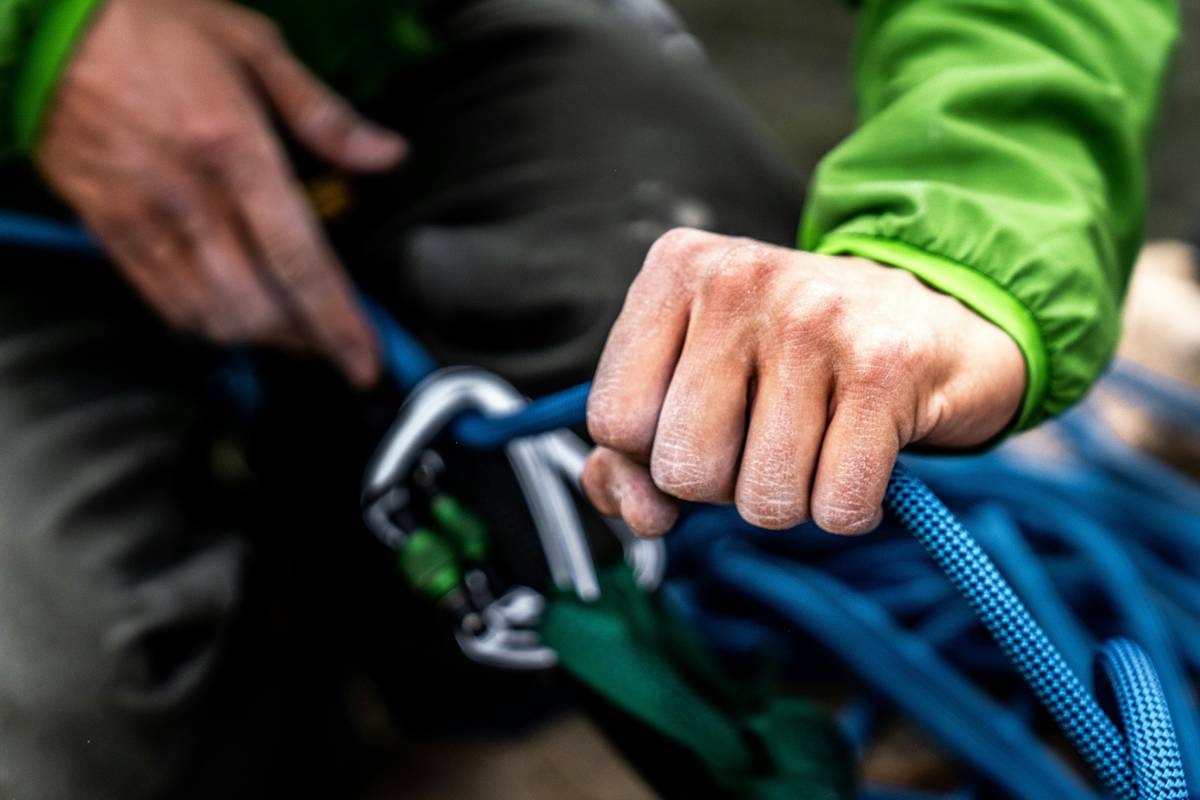
Optimist You: “Just buy the latest gear!”
Grumpy You: “Ugh, fine—but only if you actually read the manual this time.”
How to Build a Climb Secure System That Won’t Betray You
Step 1: Audit Your Entire System—Not Just the Shiny Parts
Start at your belay loop and work upward. Check for:
- Frayed or stiff sections in your dynamic rope (retire if sheath damage exceeds 10%)
- Carabiners with worn gates or cracks near the nose
- Cams with sticky trigger wires or bent axles
Pro tip: Run your rope through a gloved hand every session. If it snags or feels crunchy? Time to retire it.
Step 2: Place Protection Like a Guide—Not a Gym Rat
Gym routes have bolted anchors. Real rock doesn’t play fair. Always ask:
- Will this piece hold an outward pull?
- Is there rope drag that could lever it out?
- What happens if the piece above fails—will this one catch?
I now carry mixed racks: Black Diamond C4s for parallel cracks, DMM Dragons for shallow placements, and Trango Flexies for icy alpine zones.
Step 3: Build Redundant Anchors That Actually Work
“Equalized and opposite” is outdated. Modern best practice (per AMGA curriculum) prioritizes independent redundancy. For a two-bolt anchor:
- Use two separate locking carabiners
- Extend with slings to reduce force angles (<45° ideal)
- Never rely solely on Dyneema slings in sharp-edged terrain—they cut easier than nylon
5 Non-Negotiable Best Practices for Any Climb Secure System
- Inspect Gear After Every Big Fall
Even a 0.3 fall factor can micro-fracture aluminum. Disassemble cams and check for hairline cracks. - Log Your Gear’s Age
Most manufacturers recommend retiring carabiners after 10 years—even if unused. UV exposure degrades polymers silently. - Never Mix Old & New Rope Types
Different sheath thicknesses cause uneven friction in belay devices. Pair ropes from the same batch. - Test Anchors Before Weighting
Give every anchor a firm tug in multiple directions. If it shifts, rebuild. - Clean Gear Immediately Post-Climb
Salt, sand, and chalk accelerate corrosion. Rinse with fresh water and dry thoroughly.
Terrible Tip Disclaimer: “Just trust your gut.” Nope. Your gut can’t calculate kN loads or spot metallurgical fatigue. Trust data, training, and UIAA certifications—not vibes.
Case Study: When a Petzl Reverso Saved My Partner’s Life
In 2021, while multi-pitching in Joshua Tree, my partner slipped on a loose flake 80 feet above our last piece. We were using a standard ATC, but I’d rigged a Reverso as a secondary belay anchor per AMGA protocol. When he fell, the main device jammed—but the Reverso held cleanly, arresting the fall with minimal slack. The impact force registered 5.2 kN on my Petzl Force Sensor (well below the 8 kN UIAA max).
This wasn’t luck. It was a deliberate climb secure system design: redundant friction, extended master point, and pre-tested gear. Post-incident analysis showed the Reverso reduced rope slippage by 73% compared to solo ATC use.
Climb Secure System FAQs
Is a “climb secure system” just a marketing term?
No—but many brands misuse it. True climb secure systems follow UIAA/CE safety standards and integrate redundant components. Look for EN 567 (carabiners), EN 892 (dynamic ropes), and EN 12275 (cams) certifications.
Can I use old gear if it looks fine?
Not recommended. Aluminum weakens with cyclic loading even without visible damage. Retire metal gear after 10 years, textiles after 5 (or sooner with heavy use).
Do I need expensive gear for a safe system?
No. CAMP USA’s budget cams meet UIAA standards and cost 30% less than premium brands—but always verify drop-test data.
How often should I replace my slings?
Every 2–3 years with regular use. Dyneema degrades faster under UV light; nylon handles abrasion better but absorbs water.
Conclusion
A real climb secure system isn’t bought—it’s built, tested, and constantly validated. It demands humility, meticulous inspection, and respect for forces far beyond human control. Whether you’re clipping bolts at the crag or placing nuts on alpine granite, your life depends on the weakest link in that chain. Audit your kit tonight. Test your anchors tomorrow. And never assume “it’s always worked before” equals “it’s safe.” Because in climbing, complacency is the real fall factor.
Like a Windows XP screensaver from 2003—you think it’s chill until everything freezes mid-fall.