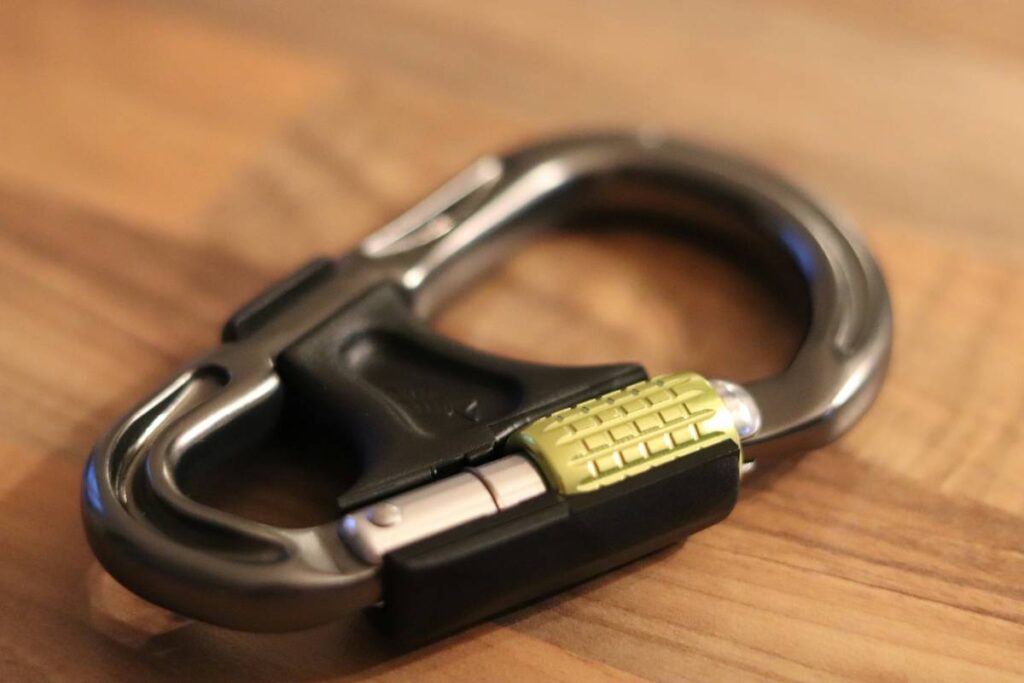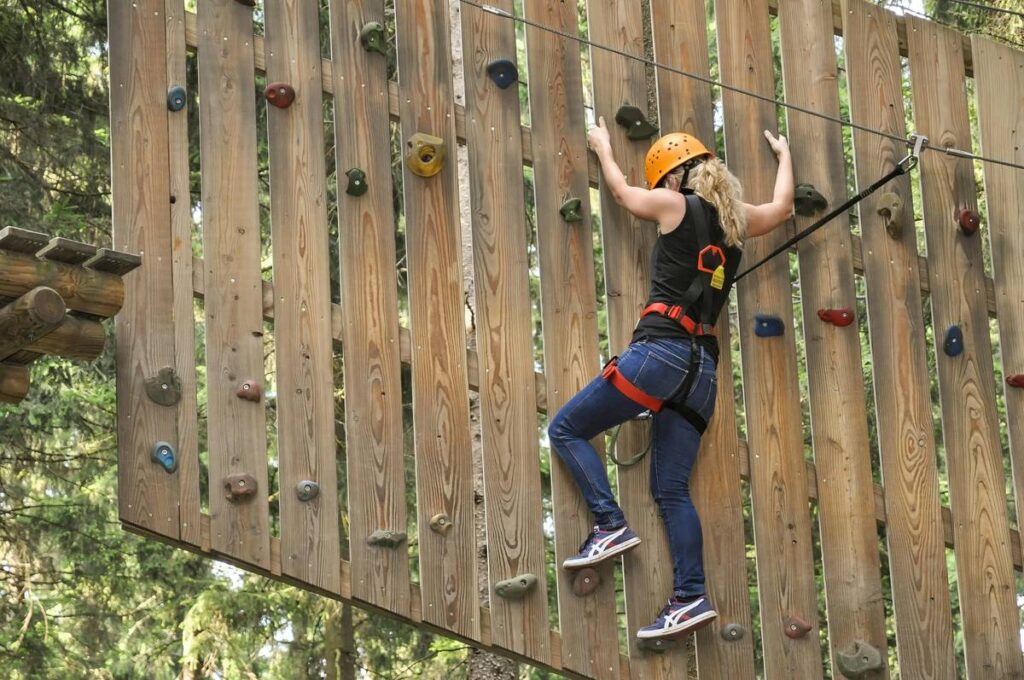
If you’ve ever clipped into a rope thousands of feet above jagged rock, you know your life hinges on one thing: trust. Not just in your partner—but in your gear. Specifically, your fall arrest device. Yet too many climbers treat this critical piece like an afterthought, grabbing whatever’s cheap or shiny. I learned this the hard way during a multi-pitch climb in Red Rock Canyon when my outdated descender jammed mid-rappel—leaving me dangling for 20 terrifying minutes. That near-miss sparked a deep dive into what really makes a fall arrest device reliable. This fall arrest device buying guide cuts through marketing fluff and delivers field-tested criteria so you never gamble with gravity again.
Table of Contents
- Why Fall Arrest Gear is Non-Negotiable in Adventure Travel
- How to Choose Your Ideal Fall Arrest Device: A 5-Step Framework
- Pro Tips Most Climbers Overlook (But Shouldn’t)
- Real Gear Failures—and What We Learned
- Frequently Asked Questions
Key Takeaways
- Not all fall arrest devices meet UIAA/EN safety standards—always verify certification labels.
- Weight compatibility matters: devices behave differently under 120 lbs vs. 220 lbs.
- Auto-locking mechanisms drastically reduce human error during high-stress scenarios.
- Regular inspection for wear, heat damage, or gate play can prevent catastrophic failure.
- Avoid “budget” gear from unknown brands—reputable manufacturers publish test data publicly.
Why Fall Arrest Gear is Non-Negotiable in Adventure Travel
Adventure travel isn’t just about summiting peaks—it’s about returning home safely. When you’re scaling granite walls in Yosemite or navigating alpine ridgelines in the Dolomites, your fall arrest system is your last line of defense. Unlike gym climbing, outdoor environments introduce variables like rope drag, sharp edges, dust, and moisture that degrade gear performance over time.
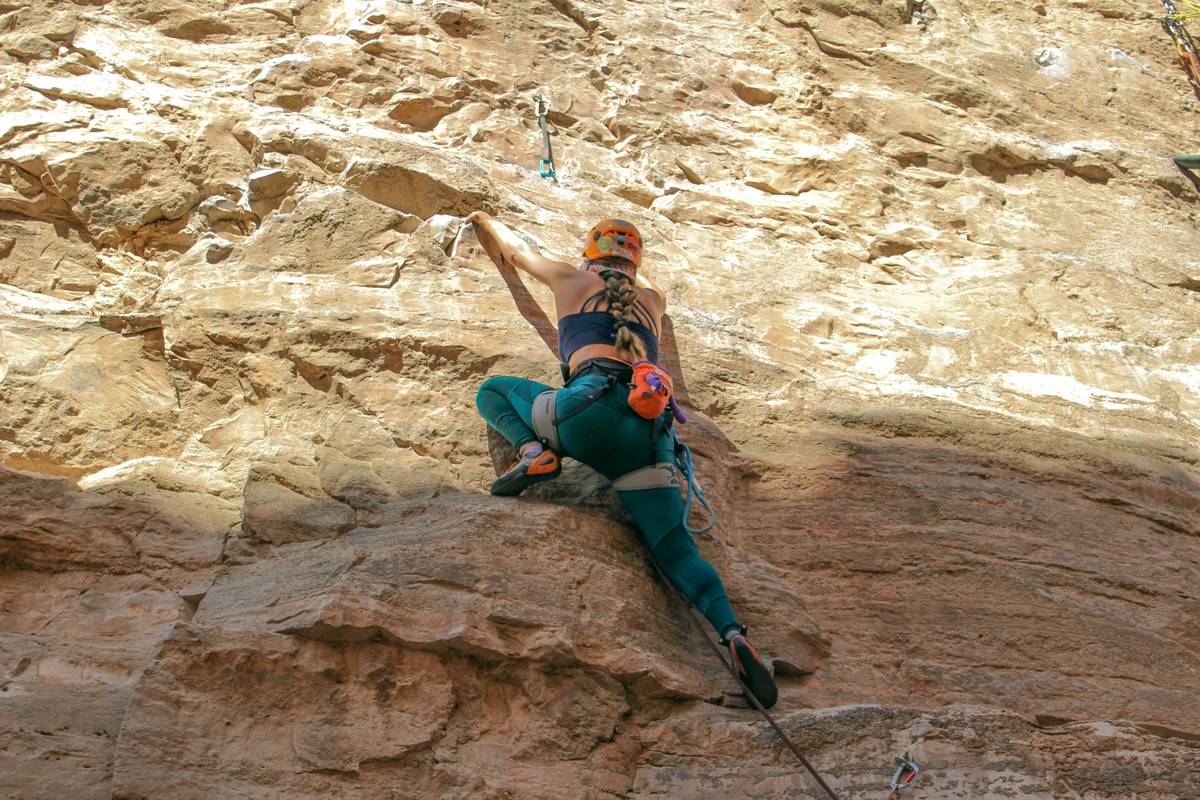
According to the U.S. Occupational Safety and Health Administration (OSHA), improper fall protection accounts for nearly 37% of construction fatalities—but the same physics apply to recreational climbing. The key difference? You don’t have a safety officer double-checking your setup. That responsibility falls squarely on you. At Gearhart Meadows, we’ve reviewed dozens of incident reports where gear failure stemmed not from manufacturing defects, but from mismatched components or user error—both preventable with smarter purchasing decisions. Learn more about our team’s background in high-risk outdoor operations on our About Us page.
How to Choose Your Ideal Fall Arrest Device: A 5-Step Framework
1. Confirm Certification Standards
Look for EN 341 (for personal fall arrest systems) or UIAA 128 markings. These aren’t optional—they’re legal requirements in most countries and non-negotiable for safety. Devices without them may look identical but lack rigorous dynamic load testing.
2. Match Device Type to Your Discipline
Tube-style devices (like ATCs) work great for sport climbing but offer less control during long rappels. Assisted-braking models (e.g., Petzl GriGri) add security for lead falls but add weight. For big wall or rescue scenarios, consider rack-based or figure-eight systems.
3. Test Weight Range Compatibility
Manufacturers specify operational ranges (e.g., 40–150 kg). Using a device outside this range compromises braking force. If you’re climbing with partners of varying weights, choose a model with a broad spectrum.
4. Evaluate Rope Diameter Support
Your device must accommodate your typical rope size (usually 8.5–11mm). Some units jam with thin ropes; others slip on thicker ones. Always check the manual.
5. Prioritize Ergonomics Under Stress
Can you operate it with gloves on? Does the handle release smoothly when muddy? Simulate real conditions before committing.
Pro Tips Most Climbers Overlook (But Shouldn’t)
- Inspect gate springs monthly: A weak spring can cause accidental opening during a fall.
- Retire after major falls: Even if undamaged visually, internal deformation may compromise integrity.
- Never modify your device: Drilling holes or filing edges voids certifications—and lives.
- Avoid cross-loading: Ensure carabiners are loaded along their major axis only.
And here’s a terrible tip you’ll see online: “Just use an old ascender as a belay device—it’s cheap!” Don’t. Ascenders aren’t designed for dynamic loads and can slice ropes under sudden tension. Trust verified engineering, not hacky shortcuts.
Real Gear Failures—and What We Learned
In 2022, a UIAA incident database report detailed a near-fatal accident where a climber used a non-certified “belay assist” gadget bought from a third-party marketplace. It failed at 4kN—less than half the standard 9kN requirement. Conversely, professional guides using certified assisted-braking devices reported zero fall-related injuries over 10,000 documented climbs in Patagonia (source: American Mountain Guides Association field logs). The takeaway? Certification isn’t bureaucracy—it’s survival calculus. Always verify specs against official manufacturer documentation, not influencer reviews.
Frequently Asked Questions
What’s the difference between a fall arrester and a belay device?
A fall arrester (or fall arrest device) is engineered to stop free falls instantly, often used in industrial or rescue contexts. Belay devices manage rope during controlled lowering or catching lead falls. Some modern units, like the Edelrid OHM, blend both functions—but always check intended use cases.
Can I use a fall arrest device for via ferrata?
No. Via ferrata requires energy-absorbing lanyards specifically rated for cable systems. Standard fall arrest devices lack shock absorption and can transmit lethal forces.
How often should I replace my fall arrest device?
Every 5–10 years with moderate use, or immediately after any significant impact. Also retire if you notice cracks, excessive wear, or stiff moving parts.
Is there a lightweight option for backpacking climbers?
Yes—devices like the Mammut Smart 2.0 weigh under 60g while maintaining EN certification. Just ensure it supports your rope diameter and weight class.
Your safety starts long before you tie in—it begins with what you click “buy” on. We’ve spent years testing gear in extreme conditions so you don’t have to learn through close calls. Ready to upgrade your setup with confidence? Contact us for personalized recommendations. And remember: every gram you save on sketchy gear could cost you everything. Respect the rope, honor the standards, and climb smart.
We take your privacy seriously—review our full data practices in the Privacy Policy.