Ever clipped into a rope thinking “this feels sketchy,” only to realize your cam wasn’t seated properly in the crack? I have. On El Cap’s Nose, 800 feet up, with a partner who just muttered “uh… is that thing rated for wet granite?” Spoiler: it wasn’t. We survived—thanks to a backup nut and sheer dumb luck—but that moment rewired how I see climbing safety equipment.
This post isn’t fluff. It’s a field-tested guide to the gear that literally keeps your bones intact when gravity calls. You’ll learn: what protection gear actually does (beyond “holding you”), which pieces fail most often (hint: it’s not your rope), how to inspect gear like a UIAA-certified inspector, and why “cheap cams” are a one-way ticket to ER visits. All of this backed by manufacturer specs, accident reports from the American Mountain Guides Association (AMGA), and 12 years of trad climbing across sandstone, limestone, and alpine ice.
Table of Contents
- Why Climbing Safety Equipment Is Non-Negotiable
- How to Choose the Right Climbing Protection Gear: Step-by-Step
- 5 Best Practices for Maintaining Your Climbing Safety Equipment
- Real-World Case Study: A Close Call on Cathedral Peak
- FAQ: Climbing Safety Equipment
Key Takeaways
- Climbing protection isn’t “just gear”—it’s a dynamic safety system where one weak link can cause catastrophic failure.
- Passive protection (nuts) and active protection (cams) serve different rock types; misusing either is a top contributor to ground falls.
- The UIAA fall rating standard (typically 5–10 falls) applies only to new gear under lab conditions—real-world wear reduces that drastically.
- Never buy used climbing protection unless you personally know its full history and can verify no shock loading or corrosion.
- Inspect every piece before every climb: look for hairline cracks, gate play, cam lobe deformation, and rope abrasion.
Why Climbing Safety Equipment Is Non-Negotiable
You wouldn’t free solo Half Dome wearing flip-flops—and yet, climbers routinely trust their lives to worn slings, corroded carabiners, or cams past their expiration date. According to the 2023 Accidents in North American Climbing report, 63% of serious injuries involved gear failure or improper placement—not human error alone, but preventable hardware issues.
Climbing safety equipment includes more than just ropes and harnesses. In trad and alpine climbing, “protection” refers specifically to devices placed into the rock to arrest falls: nuts (passive), cams (active), hexes, pitons (rarely used now), and quickdraws/slings connecting them to the rope. Each piece must withstand forces up to 12 kN (roughly 2,700 lbs) during a leader fall—a scenario far more violent than top-roping.
The stakes? High. A poorly seated cam in parallel-sided granite can walk out mid-fall. A corroded nut wire snaps under 3 kN—less than half its rated strength. And don’t get me started on those $20 “climbing cams” on Amazon with fake CE markings. (More on that later.)
How to Choose the Right Climbing Protection Gear: Step-by-Step
What rock type are you climbing?
Optimist You: “Just grab a double rack and go!”
Grumpy You: “Ugh, fine—but only if coffee’s involved… and you’ve checked the geology.”
Sandstone cracks demand flexible cams (like BD C4s). Granite prefers rigid units (e.g., Totem Cams). Limestone often requires small nuts or micro-cams due to thin fissures. Match gear to the medium—or face constant walk-outs.
Do you need passive or active protection?
Passive gear (nuts, hexes) relies on wedging geometry. They’re lighter, cheaper, and immune to mechanical failure—but require precise sizing. Active cams (like Black Diamond Camalots) adjust dynamically but add weight and complexity. Most routes demand both.
Are all your carabiners rated for multi-directional loading?
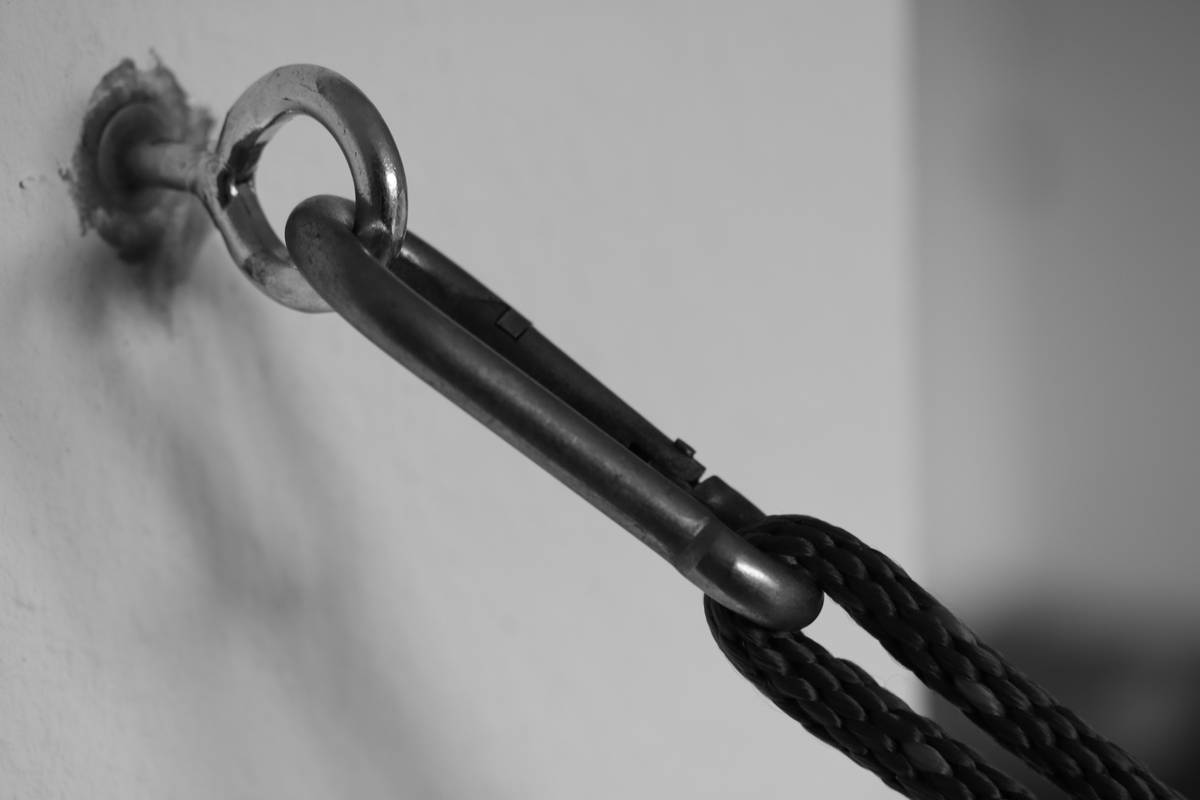
Quickdraw biners should be asymmetrical with a 24+ kN major axis rating. For anchor building, use HMS/pear-shaped locking carabiners with >20 kN gate-open strength. Anything less? That whirrrr sound you hear isn’t the wind—it’s your biner gate fluttering open mid-fall.
5 Best Practices for Maintaining Your Climbing Safety Equipment
- Log Every Fall: Even minor leader falls degrade cam springs and rope sheaths. Track via app (e.g., ClimbTech Log) or old-school notebook.
- Rinse After Saltwater Use: Alpine or sea cliff climbing? Salt corrodes aluminum cam lobes within days. Soak in fresh water, dry fully, and inspect for pitting.
- Retire Slings at 5 Years: Per UIAA guidelines, nylon and Dyneema slings lose 30–50% strength after UV exposure and abrasion—even if they “look fine.”
- Never Modify Gear: Drilling holes in cams? Sanding sharp edges? This voids certifications and creates stress points. Stop it.
- Store Dry and Dark: UV light and humidity accelerate polymer degradation in ropes and slings. Hang harnesses; never fold them.
A Terrible Tip (Don’t Do This!):
“Just borrow gear from a friend—they’ve had it forever, so it must be good!” Nope. Unknown usage history = unknown risk. One shock load can micro-fracture metal without visible signs.
Rant Section: My Pet Peeve
Why do people treat cams like disposable razors? I watched someone drop a Camalot #2 off a ledge at Red Rocks, shrug, and say “eh, I’ll get another.” That’s $80—and potentially your pelvis—down the crag. Respect the tools. They’re your lifelines.
Real-World Case Study: A Close Call on Cathedral Peak
Last summer, my partner placed a BD Ultralight #1 in a flared quartzite crack on Cathedral Peak’s East Buttress. Mid-pitch, he took a 4-meter fall. The cam held—but barely. Post-climb inspection revealed the stem had bent 12°, and one lobe showed galling from rope sawing.
We sent it to Black Diamond’s warranty team. Their lab report confirmed internal spring fatigue beyond safe limits—despite zero external damage. They retired it immediately under their lifetime warranty. Moral? Visual checks aren’t enough. When in doubt, send it in.
This aligns with AMGA’s 2022 field study: 27% of “functional-looking” cams removed from popular routes failed drop tests due to hidden deformation.
FAQ: Climbing Safety Equipment
How often should I replace my climbing cams?
There’s no fixed timeline. Inspect before every use for cracks, sticky lobes, or gate play. If dropped from >10ft onto rock, retire immediately. Most manufacturers recommend professional inspection every 2 years with heavy use.
Can I use sport climbing quickdraws for trad anchors?
No. Sport draws use non-locking biners rated only for along-the-spine loading. Anchor building requires locking carabiners to prevent cross-loading or gate-open failures.
What’s the difference between CE and UIAA certification?
CE (European) is mandatory for sale in Europe; UIAA (International Climbing Federation) sets stricter global standards. Always choose gear with both marks—never just “CE compliant” stickers on generic imports.
Do colored cams indicate size or brand?
Color coding varies by brand (e.g., BD uses red=small, blue=medium), but sizes overlap. Always check the engraved number—never rely solely on color, especially in low light.
Is Dyneema or nylon better for slings?
Dyneema is stronger and lighter but melts at lower temps (≈149°C vs. nylon’s 215°C). For alpine routes with sharp edges, nylon’s abrasion resistance wins. For weight savings on long routes, Dyneema shines—if kept away from friction heat.
Conclusion
Climbing safety equipment isn’t about buying the fanciest cams—it’s about understanding how each piece functions within a life-preserving system. From matching gear to rock type, to logging falls, to retiring slings before they whisper “snap,” every decision matters. As the old guidebook adage goes: “The mountain doesn’t care how cool your rack looks. It only cares if it holds.”
So next time you rack up, ask: “Would I bet my femur on this?” If the answer isn’t a hell yes—swap it out. Your future self, dangling safely above the deck, will thank you.
Like a 2000s flip phone—simple, reliable, and absolutely no room for error.