One slip. One misjudged placement. That’s all it takes. And yet, climbers still trust gear that hasn’t evolved meaningfully in 20 years—because they assume “certified” equals “fail-proof.” It doesn’t. The real solution? Understanding how climbing protection devices actually perform under chaotic, real-world loads—not just lab conditions.
Why Traditional Climbing Protection Devices Fail When It Matters Most
Most cams and nuts pass UIAA drop tests with flying colors. But those tests simulate clean, straight pulls on new rock in climate-controlled rooms. Reality is grit, off-axis loading, and frayed slings. And fatigue—both metal and mental.
Climbers over-trust passive placements in parallel cracks or rely on micro-cams below their rated range. They don’t account for rope drag amplifying forces during a fall. The result? Gear rips. Not because it’s defective—but because it was used outside its functional envelope.
Selecting & Using Climbing Protection Devices Like a Pro
Forget what the box says. Focus on what the rock demands—and your margin for human error.
Match Gear Type to Crack Geometry
Passive nuts excel in constrictions. Cams dominate in parallel or flaring cracks. But hybrid placements—like stacking two small nuts in a shallow pocket—often outperform a single cam in marginal rock. Experience beats catalog specs.
Test Every Placement (Seriously)
Give it a firm tug in the direction of expected load. Does it shift? Rotate? Feel hollow? If yes, replace it. No second-guessing. A silent rattle means nothing—until you’re falling through it.
Inspect Slings & Wires Relentlessly
UV exposure, abrasion, and repeated flex fatigue degrade nylon and Dyneema faster than metal components. Replace worn slings every 2–3 years—even if they “look fine.” Hidden core damage kills.
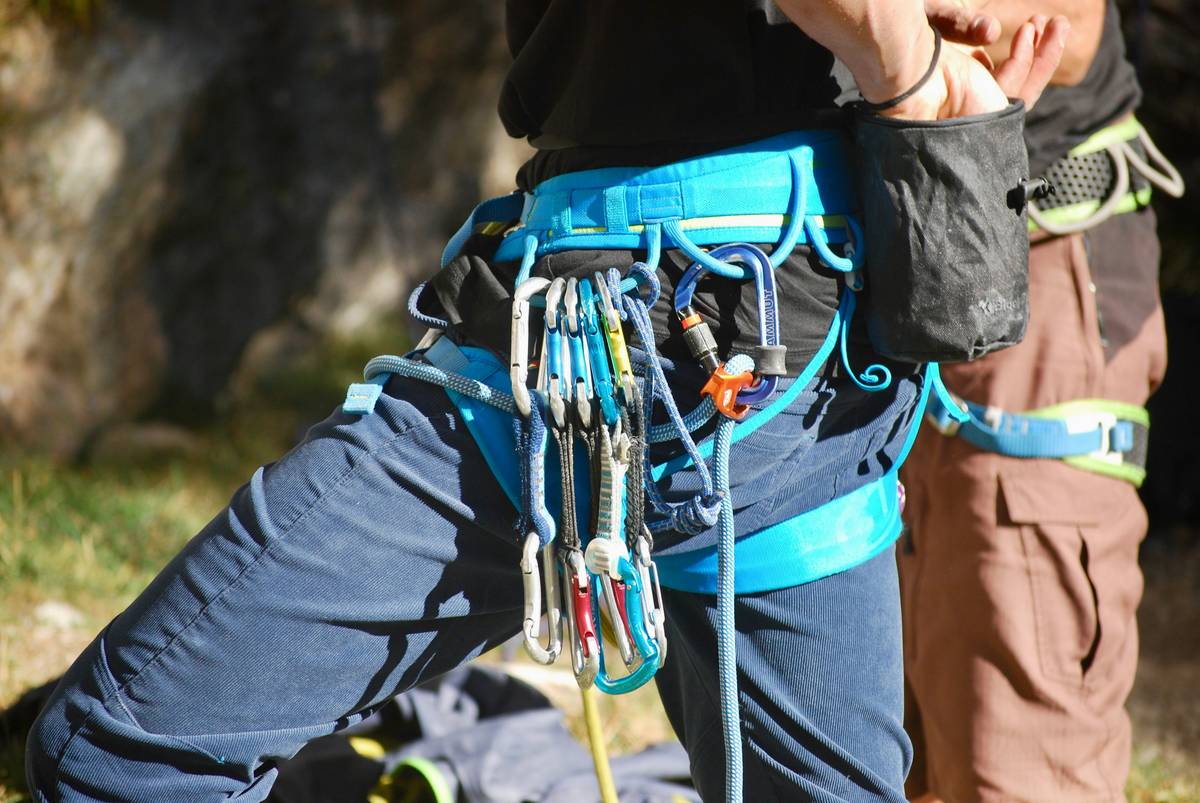
| Gear Type | Ideal Rock Type | Common Failure Mode | Average Lifespan (Active Use) |
|---|---|---|---|
| Spring-Loaded Camming Devices (SLCDs) | Granite, Sandstone (parallel cracks) | Lobe deformation in soft rock; trigger bar jam | 5–8 years |
| Passive Nuts (Hexes, Stoppers) | Basalt, Quartzite (constrictions) | Popping out under dynamic load | 10+ years (if not dropped) |
| Micro Cams (<0.5”) | Thin seams in hard rock | Shear failure under bodyweight falls | 2–4 years |
| Tricams | Irregular pockets, limestone | Rope unseating cam action | 7+ years |
The Industry Secret No Brand Wants You to Know
Manufacturers design gear to pass certification—not to survive your worst-case scenario. Here’s the reality: most climbing protection devices are engineered with a safety factor of 6–8x typical loads. But during a leader fall with rope drag and bounce, forces can spike unpredictably. And that micro-cam rated for 5kN? In wet limestone, its effective holding power might be half that. Brands won’t say it—but veteran guides do: always place backup gear when the consequence of failure is death. Redundancy isn’t paranoia. It’s protocol.
Frequently Asked Questions
How often should I replace my climbing protection devices?
Inspect before every climb. Replace immediately if you see bent axles, cracked lobes, frayed slings, or stiff cam springs. Even unused gear degrades after 10 years due to metal fatigue.
Can I use old-school hexes instead of modern cams?
Absolutely—if placed correctly. Hexes are lightweight, durable, and work well in irregular cracks where cams won’t fit. But they require more skill to place securely under fall loads.
Are cheaper climbing protection devices safe?
Only if UIAA/CE certified. Avoid non-certified brands—they skip critical metallurgical testing. But within certified lines, mid-tier gear often uses the same alloys as premium models, minus the R&D markup.