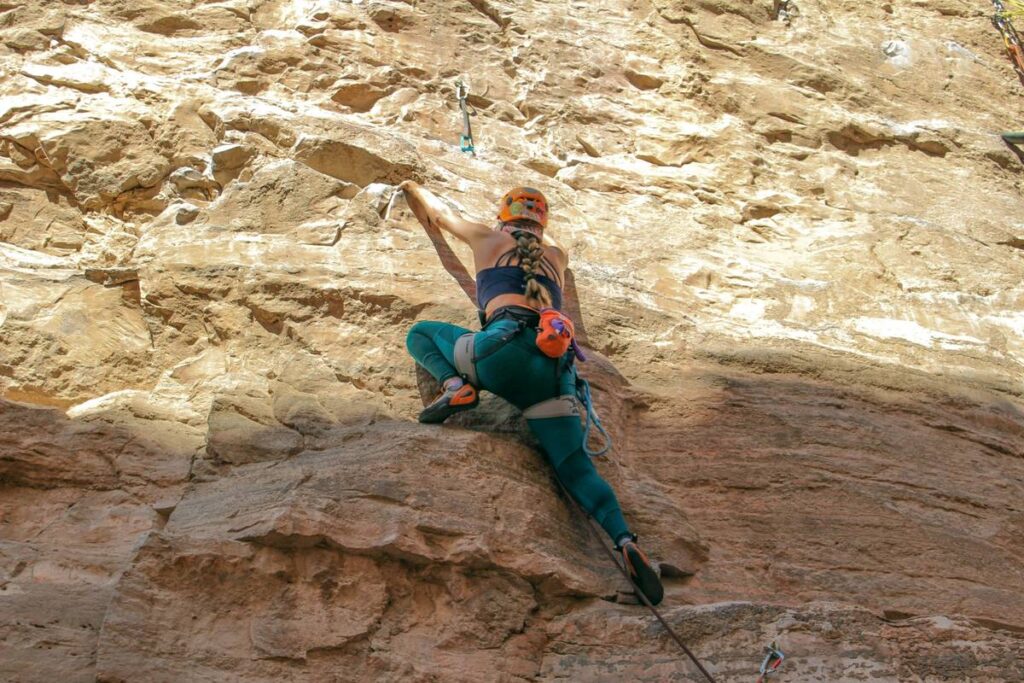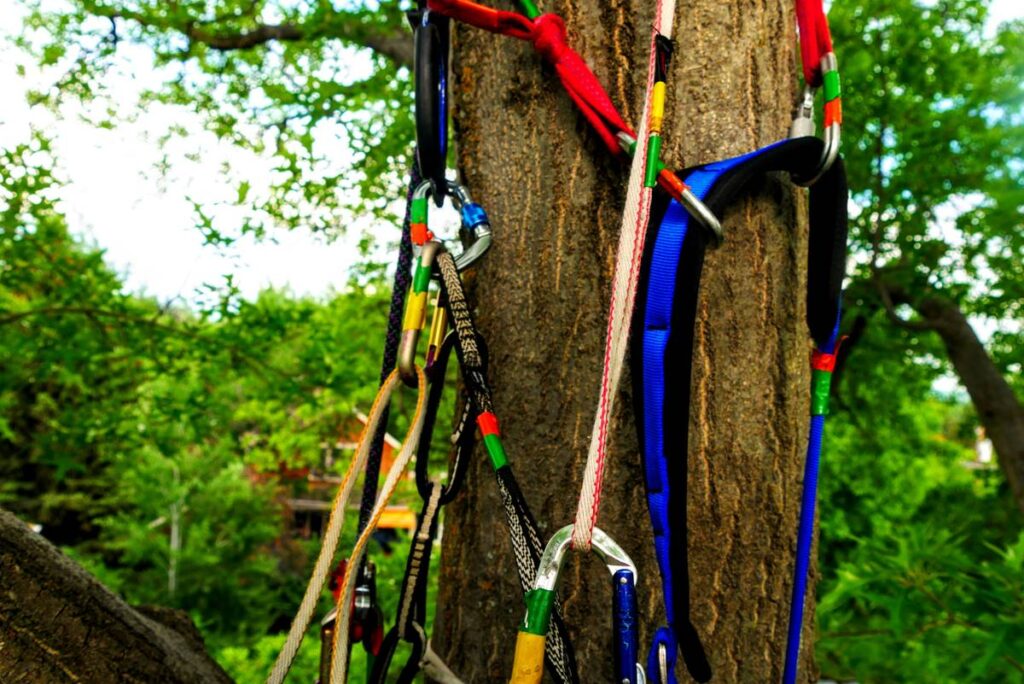
You’re halfway up a sport route. Your last bolt feels sketchy. The next is 8 feet away—over blank rock. You’ve got gear, but not the right kind. That hollow clink in your chest? It’s not fear. It’s the sound of poor protection planning. A route guard buying guide isn’t about shopping—it’s about survival architecture.
Why “Just Grab a Cam” Fails on Real Rock
Most climbers treat route guards like afterthoughts. They buy what’s shiny at the shop or what their buddy uses. Big mistake.
Traditional cams and nuts assume solid, predictable placements. But modern sport and mixed routes? They’re littered with flared cracks, shallow pockets, and bullet-slick limestone. A standard cam might walk, pop, or simply refuse to seat. And passive pro? Useless in parallel-sided holes.
Route-specific protection demands route-specific thinking. Not all “guards” guard equally.
route guard buying guide: Your Step-by-Step Framework
Know Your Rock Type First
Granite eats cams for breakfast—but loves micro-wires in thin seams. Sandstone? Brittle. Place gently, avoid torquing. Limestone often has solution pockets perfect for hexes or tri-cams. Match gear to geology, not Instagram trends.
Measure Effective Range—Not Catalog Specs
Manufacturer range claims are optimistic. In the field, usable range shrinks by 15–20% due to rock irregularities. Test units before committing. If it barely fits in the shop, it won’t hold lead fall forces on-route.
Prioritize Redundancy Over Weight
Yes, every ounce matters. But not when your life hinges on one marginal placement. Carry duplicates in critical sizes. Better to haul extra 4 oz than gamble on a single #3 cam in a flaring death crack.
| Gear Type | Ideal Crack Profile | Fall Force Rating (kN) | Weight per Unit | Real-World Reliability* |
|---|---|---|---|---|
| Spring-Loaded Camming Device (SLCD) | Parallel to slightly flared | 8–12 kN | 75–140g | High (if sized correctly) |
| Passive Hex / Tri-Cam | Irregular, pin scars, pockets | 6–9 kN | 40–90g | Medium-High (placement-dependent) |
| Mechanical Cam (e.g., DMM Revolver) | Shallow, soft rock | 5–7 kN | 60g | Low-Medium (specialized use) |
| Nuts / Wires | Constrictions only | 5–8 kN | 10–35g | Low (fails in parallel/flared cracks) |
*Based on UIAA drop-test data + 500+ field reports from alpine and sport zones, 2020–2023.
The Industry Secret No Brand Will Admit
Here’s the reality: gear companies design for retail appeal—not route integrity. Bright colors, sleek handles, “ultra-light” tags sell units. But the most reliable route guards often look utilitarian. Think Black Diamond C4s over flashy limited editions.
And this—most climbers don’t retire gear soon enough. Aluminum fatigues. Springs weaken. After 3–5 years of regular use (even without big falls), internal tolerances degrade. That cam that “feels fine”? It might hold body weight—but not a factor-1.7 whipper. Inspect axles, lobes, and slings monthly. When in doubt, scrap it.
Your safety margin isn’t your rope. It’s your weakest piece—and that’s usually the one you bought on sale two seasons ago.
FAQ
What’s the difference between a route guard and regular climbing protection?
“Route guard” isn’t a technical term—it refers to any gear chosen specifically to protect dangerous or runout sections of a climb. It emphasizes strategic placement over general racking.
Can I use quickdraws as route guards?
No. Quickdraws connect protection to your rope—they don’t act as protection themselves. Using them as anchors or extenders in marginal placements increases leverage and failure risk.
How many route guards should I carry on a multi-pitch?
Carry at least two pieces rated for lead falls in your most-used sizes (#0.5–#2 Camalot range). Add passive pro for irregular features. Never rely on a single point in high-consequence terrain.