You tie in, chalk up, and trust your gear. But what if that trust is misplaced? A loose cam, a worn sling, or a misrouted rope can turn a dream route into a nightmare—fast. The difference between a clean send and a rescue call often comes down to habits you form long before you leave the ground. Here’s how to climb smarter, not just harder.
Why Most Climbers Get Safety Wrong (Even the Experienced Ones)
It’s not about skill level. It’s about complacency. We’ve all skipped a double-check because “we’ve done this a hundred times.” Muscle memory replaces mindfulness—and that’s when things go sideways. Rope drag increases fall force. Dirty carabiners weaken under load. And those colorful quickdraws? They degrade faster than you think when left baking on desert granite.
And no—your phone video of a near-miss doesn’t count as training. Real safety isn’t reactive; it’s baked into every movement.
Climbing Safety Tips: Your Step-by-Step Pre-Climb Protocol
Inspect Gear Like Your Life Depends On It (Because It Does)
Run every piece through your hands. Check for frayed webbing, gate play in ’biners, and cam lobes that stick. Toss anything older than 5–7 years—even if it “looks fine.” UV exposure and micro-abrasions are silent killers.
Rope Management Isn’t Optional
Flake your rope cleanly. No tangles. No kinks. Keep it off wet grass, sharp edges, and sandy ledges. A rope’s strength plummets when abraded—even slightly. Use a rope tarp when possible. 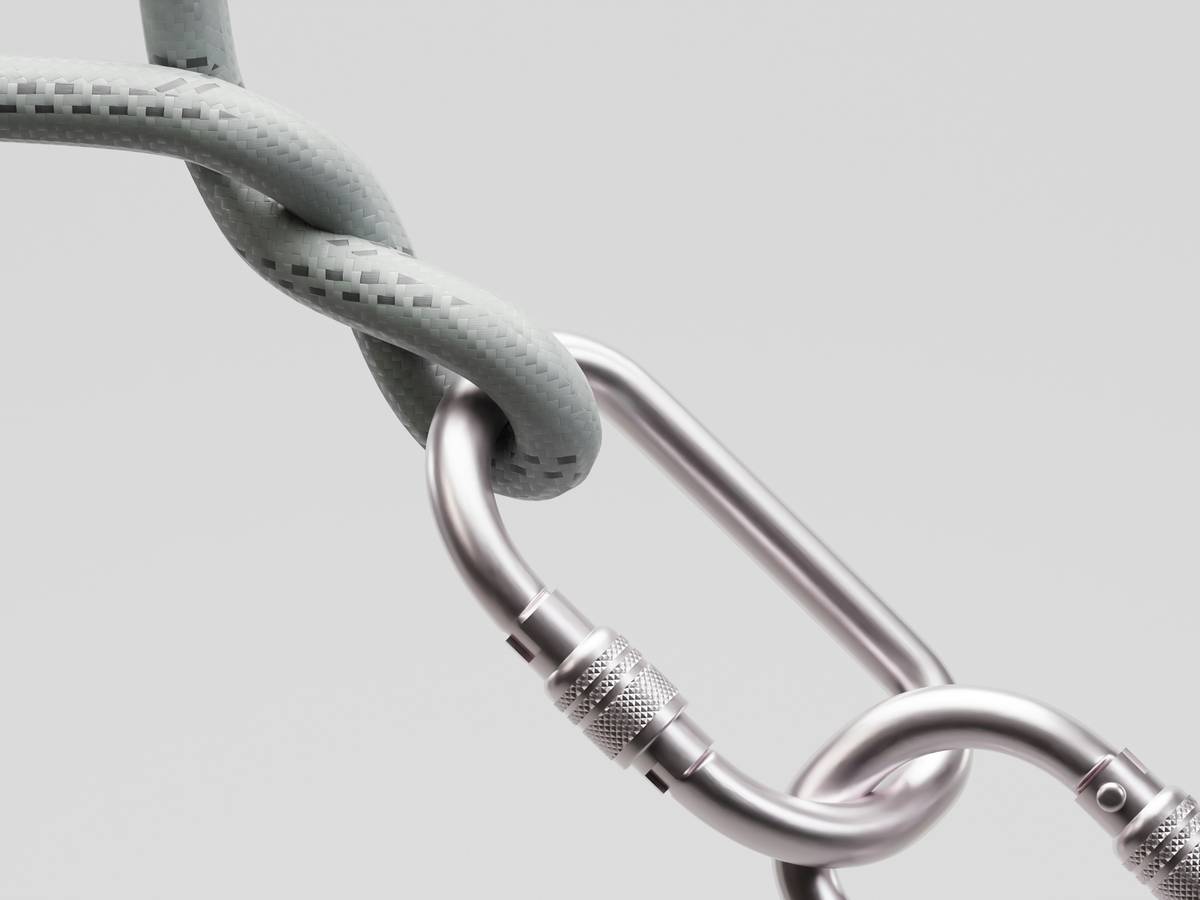
Partner Checks: Beyond the Basic B.R.A.I.D.E.D.
Yes, check Buckles, Ropes, Anchors… but also ask: “Did you check my knot?” Verbal confirmation reduces human error by over 60%, according to UIAA incident reports. Make it ritual, not routine.
| Gear Inspection Point | Pass Criteria | Fail Criteria | Replacement Timeline |
|---|---|---|---|
| Dyneema Sling | No discoloration, cuts, or stiffness | Fuzziness, dark spots, or reduced flexibility | Every 2–3 years or after any major fall |
| Carabiner | Gate snaps shut crisply; no cracks | Sticky gate, corrosion, or hairline fractures | Immediately upon defect detection |
| Dynamic Rope | Round cross-section; smooth sheath | Flat spots, core shots, or glazed look | After 50 hard falls or visible damage |
Anchor Redundancy: Don’t Trust a Single Point
Even bomber bolts fail. Always build anchors with redundancy and equalization. Use cordelettes or slings—not just quickdraws—to distribute load. And never clip both your rope and personal anchor into the same carabiner. That’s not efficiency—it’s Russian roulette.
The Industry Secret: Pro Shops Rotate Demo Gear—You Should Too
Here’s what gear manufacturers won’t advertise: demo units in climbing gyms and outdoor shops get retired early—not because they’re broken, but because they know invisible wear adds up. Yet climbers buy secondhand cams online without hesitation. Think about it. Would you buy used brake pads for your car?
The math is simple. A $70 cam you resell after three seasons costs pennies per use. But one failure erases all savings—and more. Rotate critical protection annually if you climb weekly. Treat life-saving gear like perishables, not heirlooms.
Frequently Asked Questions
What’s the #1 mistake new climbers make with safety?
Assuming their partner checked everything. Always do a mutual, verbal gear and knot check—every single time.
How often should I replace my climbing harness?
Every 2–5 years depending on use. If it’s faded, stiff, or has frayed stitching—retire it immediately.
Can I reuse gear after a big fall?
Not without inspection. Even if it looks fine, internal fibers may be compromised. When in doubt, throw it out.