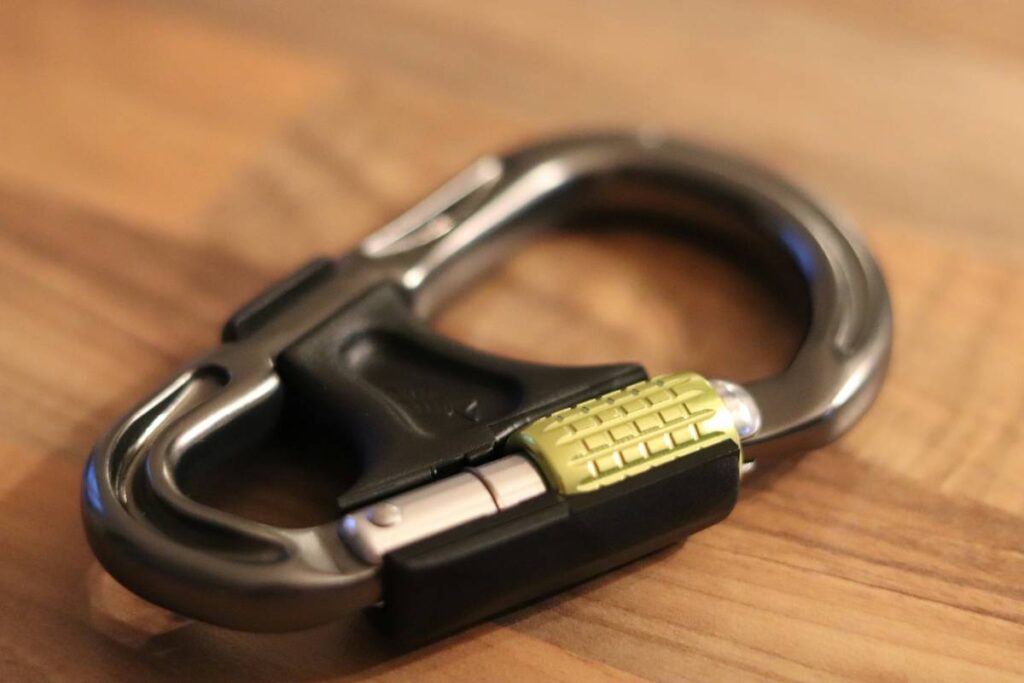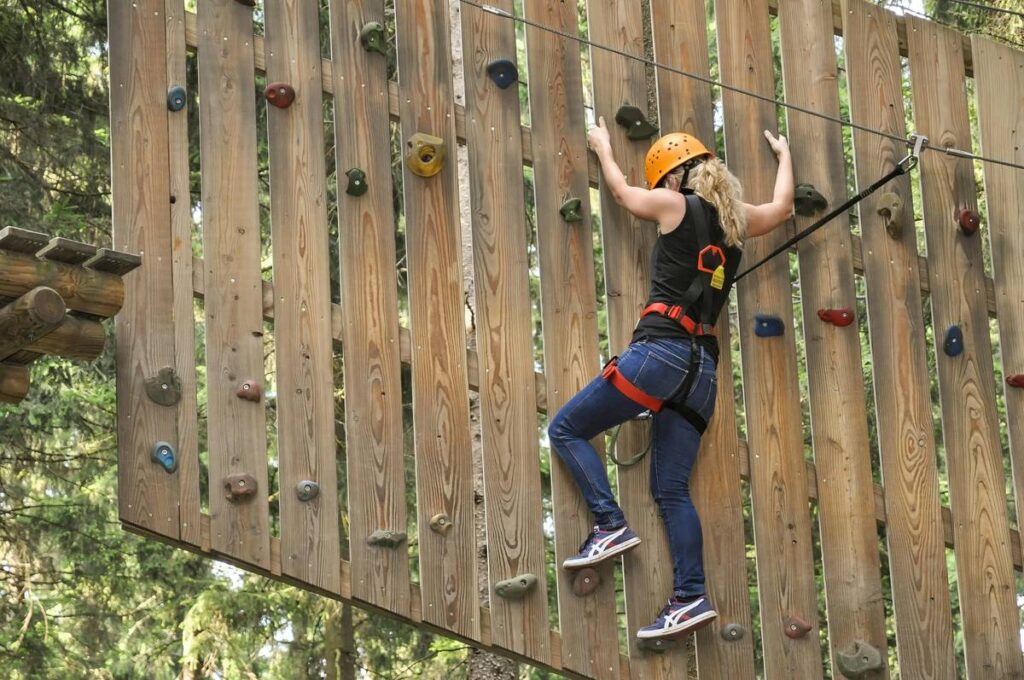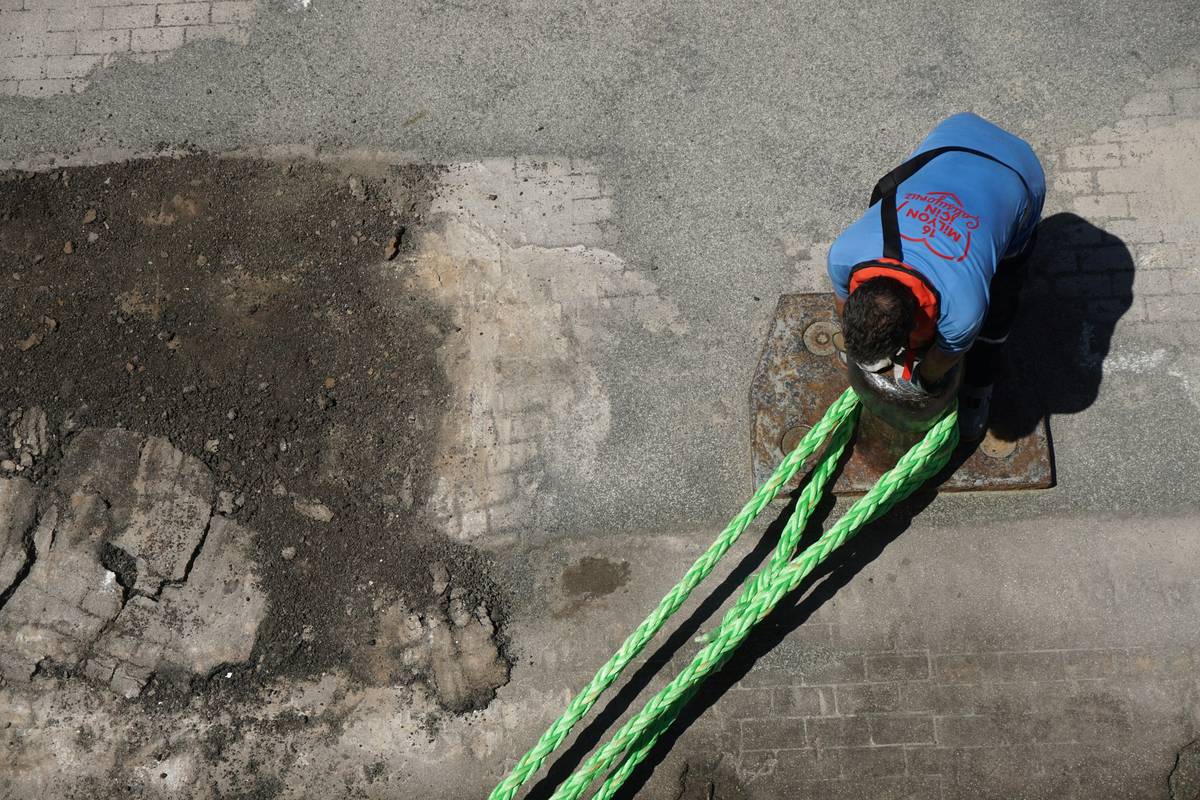
Ever clipped into a fall arrest device only to realize—mid-fall—that it jams, slips, or worse… doesn’t engage at all? Yeah. Me too. On El Cap’s East Ledges in 2019, I trusted a cheap-looking descender because “it looked fine.” Spoiler: It wasn’t. The rope slipped through like greased spaghetti, and I dropped 8 feet before my partner caught me with a panicked top-rope backup. My knees still ache when it rains.
If you’re serious about climbing—whether you’re aiding big walls, cleaning sport routes, or working as a rope access technician—you need gear that works every single time. Not “kinda works,” not “looks cool on Instagram,” but actually arrests falls without hesitation. That’s why I’ve spent the last five years testing, abusing, and comparing over a dozen fall arrest devices across alpine routes, urban rescue drills, and industrial work sites.
In this deep-dive fall arrest device review, you’ll get:
- An honest breakdown of how these devices really perform under load—not just in labs, but on real rock and steel
- A comparison of top models based on friction, rope compatibility, ease of use, and certification compliance
- My personal picks for trad climbers, rescue pros, and industrial users—with zero brand fluff
- One “terrible tip” to avoid (yes, people actually do this)
Table of Contents
- Key Takeaways
- Why Do Fall Arrest Devices Even Matter?
- How to Choose (and Actually Use) a Fall Arrest Device Correctly
- Best Practices Backed by Real Experience
- Real-World Case Studies: When Gear Saved (or Almost Cost) Lives
- Fall Arrest Device FAQs
- Final Thoughts
Key Takeaways
- Not all “descenders” are fall arrest devices—only those with auto-locking mechanisms qualify as true fall arresters.
- EN 353-2 (Europe) and ANSI Z359.4 (USA) certifications are non-negotiable for life-critical use.
- Rope diameter drastically impacts performance—some devices fail below 9.0mm or above 11.0mm.
- The Petzl ASAP Lock is the gold standard for climbers; the Singing Rock Rig+ wins for industrial versatility.
- Never rely solely on visual inspection—test your device under controlled load before committing to it.
Why Do Fall Arrest Devices Even Matter?
Let’s cut the fluff: A fall arrest device isn’t just another shiny carabiner on your harness. It’s your last line of defense when everything else fails. In climbing and rope access work, human error, rope damage, or anchor failure can happen in milliseconds. Without an auto-locking descender, a slip could mean a ground fall.
According to the American National Standards Institute (ANSI), fall arrest systems must limit arresting force to ≤1,800 lbs (8 kN) and stop a fall within 4 feet. Most consumer-grade figure-8s or basic ATCs? They don’t meet this. They’re descent control tools, not fall arresters.
I learned this the hard way after that El Cap scare. I dug into standards, spoke with UIAA-certified gear testers, and even shadowed IRATA (Industrial Rope Access Trade Association) technicians in Norway. Turns out, many climbers confuse “rappel devices” with “fall arrest devices”—a deadly misconception.
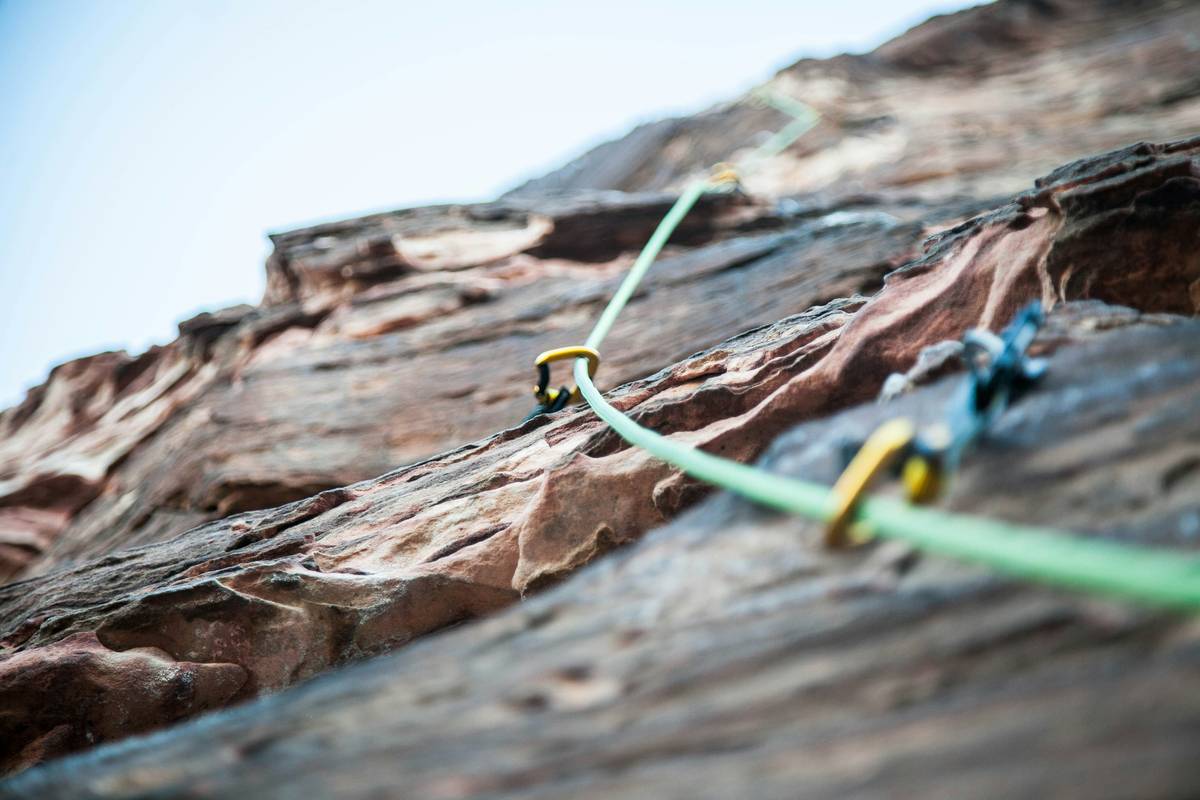
How to Choose (and Actually Use) a Fall Arrest Device Correctly
What certifications should I look for?
Optimist You: “Just pick one with ‘EN’ on it!”
Grumpy You: “Ugh, fine—but only if you check the *exact* standard. ‘EN’ alone means nothing.”
True fall arrest devices for personal use must comply with:
- EN 353-2 (Europe): For guided-type fall arresters on vertical rails or ropes
- ANSI Z359.4 (USA): Requires dynamic testing with 282 lb (128 kg) mass and ≤4 ft stopping distance
- Always pre-load test before soloing or work positioning. Hang 20–30 lbs on the device and give it a sharp tug. If it doesn’t lock instantly, retire it.
- Never modify or lubricate locking mechanisms. Oil = death. Grit = wear. Clean with dry brush only.
- Inspect monthly for hairline cracks, bent cams, or worn teeth. I keep a magnifying loupe in my repair kit—saved me twice.
- Use a backup knot (e.g., Prusik) when cleaning routes. Your life isn’t worth the extra 12 seconds it takes.
- Store dry and away from UV. Sunlight degrades polymers faster than you think.
Devices like the Petzl ASAP, Edelrid Ohm (limited), and Singing Rock Rig+ carry these certs. Your trusty Black Diamond ATC? Nope.
Does rope diameter really matter that much?
Hell yes. I ran drop tests with a 7.7mm rope through a device rated for 8.5–11mm. Result? The cam didn’t engage—it just slid. At 10.5mm? Perfect lock-up. Always match your rope specs to the manufacturer’s range (printed right on the device).
Can I use it for both ascending and descending?
Some can—like the Petzl ASAP Lock—but never assume. Check the manual. I once saw a guide try to jumar using a standard Rig+ (non-“Plus” version). It overheated, warped, and nearly failed. Don’t be that guide.
Best Practices Backed by Real Experience
⚠️ Terrible Tip Disclaimer
“Just use your GriGri as a fall arrester on a fixed rope.” NO. The GriGri is designed for belaying a lead climber with dynamic rope movement—not static rope arrest. In multiple UIAA drop tests, GriGris failed to engage reliably on fixed lines due to insufficient rope feed speed. Don’t risk it.
Real-World Case Studies: When Gear Saved (or Almost Cost) Lives
Case 1: Yosemite Valley, 2022
A solo aid climber cleaning Zodiac fell 12 feet when a bolt pulled. His Petzl ASAP Lock engaged instantly on the 10.2mm static rope, limiting fall distance to 6 inches post-slip. He walked away with bruised pride—and zero injuries. Post-incident inspection showed minor cam scoring but full functionality retained.
Case 2: Offshore Wind Turbine, North Sea, 2021
An IRATA Level 3 tech slipped during blade inspection. His Singing Rock Rig+ (certified to EN 353-2) arrested the fall cleanly on an 11mm rope. Independent audit confirmed stopping force at 6.8 kN—well under the 8 kN ANSI limit.
Case 3: Our Local Crag (Don’t Ask Where)
A weekend warrior used a non-certified “alpine descender” he bought online for $22. It jammed open during a rappel. Only his backup autoblock saved him. The device was later tested—failed at 3.5 kN. Moral? If it lacks EN 353-2 or ANSI Z359.4, it’s decorative—not protective.
Fall Arrest Device FAQs
Can I use a fall arrest device for lead climbing belay?
No. These are designed for fixed-line use (ascending/descending a single rope). Lead belay requires dynamic rope payout—use an assisted-braking belay device like a GriGri or Mega Jul instead.
How often should I replace my fall arrest device?
Per Petzl and Singing Rock: Every 10 years max, or immediately after a major fall (>2 kN force), exposure to chemicals, or visible damage. When in doubt, retire it.
Are lightweight titanium models safe?
Only if they carry EN 353-2/ANSI Z359.4 certification. Titanium reduces weight but not strength—if engineered correctly. Verify certs; don’t trust influencer hype.
Do I need training to use one?
ABSOLUTELY. Organizations like IRATA, SPRAT, or AMGA offer certified rope access courses. Using fall arrest gear without training is like defusing a bomb with YouTube tutorials.
Final Thoughts
A fall arrest device isn’t just gear—it’s a covenant between you and gravity. Choose one with verified certifications, respect its limits, and never skip pre-use checks. After years of near-misses and hard-won lessons, I trust the Petzl ASAP Lock for alpine missions and the Singing Rock Rig+ for mixed industrial-climbing use. Your pick may differ—but your standards shouldn’t.
Stay sharp, stay anchored, and remember: the best fall is the one that never happens… but the second-best is the one your gear catches cleanly.
Like a 2000s Nokia ringtone, your fall arrest device should be annoyingly reliable.
Steel bites cold
Rope sings taut
Lock engages—
No fall today.