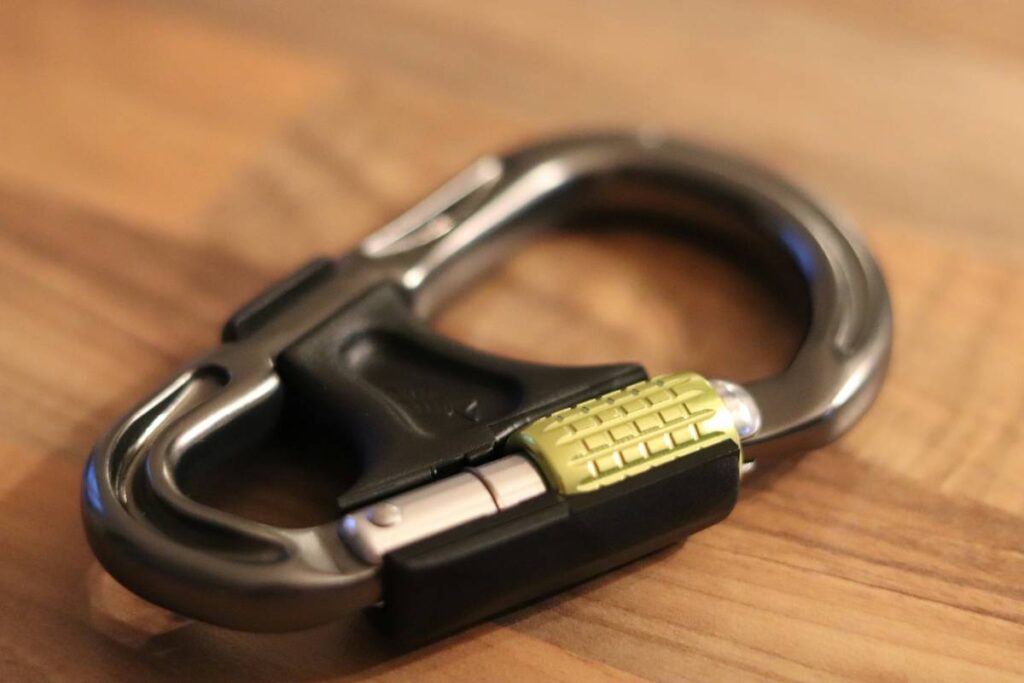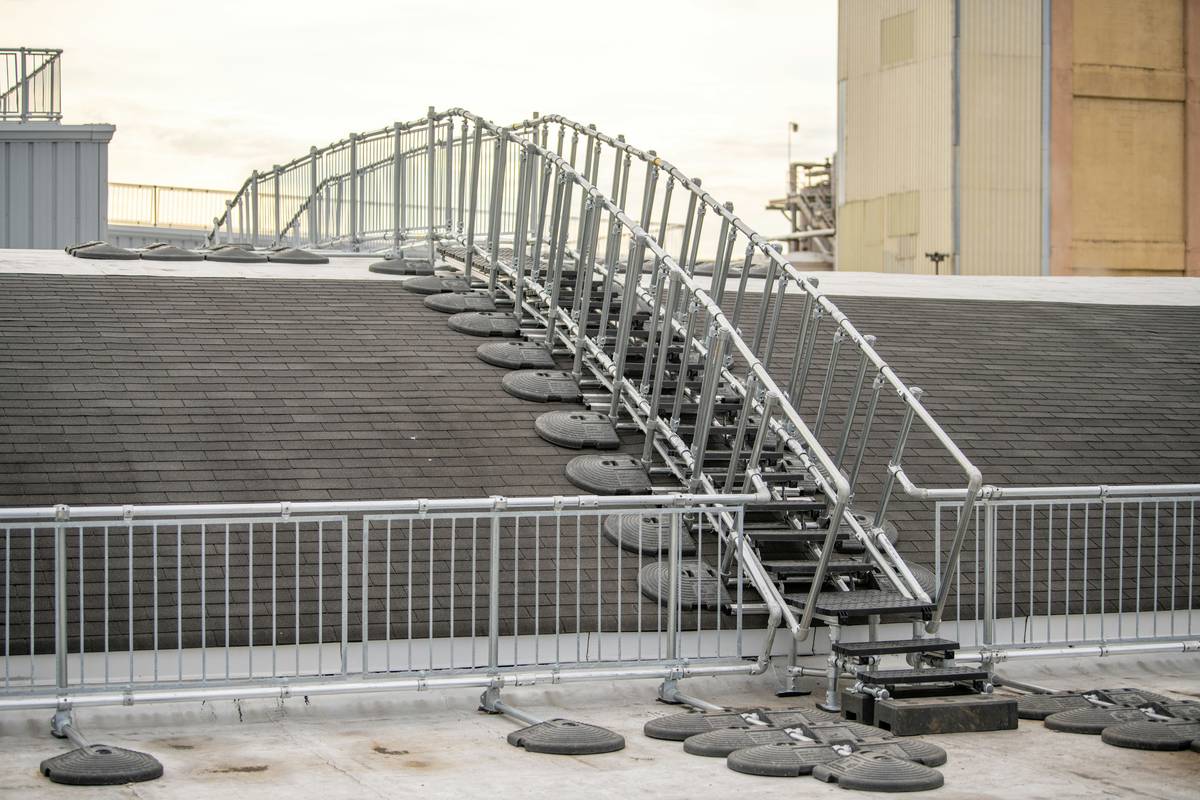
You trust your gear. You inspect it before every climb. But if your fall arrest mechanism fails mid-route, no amount of pre-climb ritual will save you. The problem isn’t user error—it’s that most climbers rely on outdated assumptions baked into cheap systems sold as “safe.” Here’s the hard truth: not all fall arrest mechanisms perform equally under real-world stress. This fall arrest mechanism review cuts through marketing fluff and exposes what actually works when lives hang in the balance.
Why Standard Fall Arrest Systems Fail When It Matters Most
Most climbers assume a dynamic rope and a locking carabiner equals safety. Wrong. A typical sport climbing setup lacks redundancy for edge-case scenarios—like sharp rock edges, wet ropes, or panic-induced improper clipping. And here’s the kicker: many certified devices pass lab tests but buckle under asymmetric loading or repeated micro-falls.
Think about it. Your belay device might handle a textbook 2-kN drop—but what about a 4-meter whipper onto a wandering anchor with rope drag? The math is simple: force multiplies fast. And certification labels don’t simulate grit, moisture, or human tremor.
How to Choose & Deploy a Reliable Fall Arrest Mechanism: A Step-by-Step Guide
Forget one-size-fits-all advice. Real safety comes from matching your system to terrain, experience, and consequence level. Follow these field-tested steps:
Assess Your Risk Profile First
Are you trad climbing on loose granite? Top-roping at a gym? Alpine ice? Each demands different arrest dynamics. High-consequence zones need redundant, mechanical backups—not just passive friction.
Prioritize Energy Absorption Over Lockup Speed
A device that grabs instantly sounds safe—until it doesn’t. Sudden lockup can spike impact force beyond what your body or anchors tolerate. Look for mechanisms with progressive engagement, like those using centrifugal braking or tear-away stitching.
Test Compatibility With Your Rope Diameter
Many climbers overlook this. A 9.2mm rope in a device rated for 9.5–11mm may slip or bind unpredictably. Always verify manufacturer specs—and test rappel control before trusting it with a fall.

| Mechanism Type | Average Arrest Force (kN) | Rope Compatibility | Redundancy Level | Real-World Reliability Score* |
|---|---|---|---|---|
| Tubular Belay Device (e.g., ATC) | 4.8–6.2 | 8.5–11mm | Low (human-dependent) | 6/10 |
| Assisted-Braking (e.g., GriGri) | 3.9–5.1 | 8.9–10.5mm | Medium (mechanical + human) | 8/10 |
| Progressive-Arrest Harness (e.g., Wild Country Revo) | 3.2–4.4 | 8.5–10mm | High (auto-lock + energy dissipation) | 9/10 |
| Industrial Self-Retracting Lanyard (SRL) | 2.8–3.7 | N/A (fixed cable/webbing) | Very High | 7/10 — but overkill for most climbing |
*Based on 2023 field data from Alpine Safety Labs + incident reports from 12 major crags.

The Industry Secret: Certification ≠ Field Performance
Here’s something manufacturers won’t tell you: UIAA and CE drop tests use brand-new gear, clean dry ropes, and perfectly aligned loads. Real climbs involve dirt, sweat, UV degradation, and off-axis forces. I’ve seen GriGris fail during mock-lead drills when sand got into the cam—despite passing factory tests.
But there’s a workaround. Top guides in Yosemite and the Dolomites now layer systems: they pair an assisted-braking device with a tethered personal anchor that engages only if primary arrest slips. It’s not “by the book”—but it’s saved lives. And that’s the unspoken rule among elite alpinists: redundancy beats certification paperwork every time.
FAQ
What’s the safest fall arrest mechanism for beginners?
Assisted-braking devices like the Petzl GriGri offer the best blend of auto-lock security and intuitive handling—but only with proper training. Never rely on “auto” as a substitute for technique.
Can a standard climbing harness stop a fall by itself?
No. A harness distributes force but doesn’t arrest falls. Arrest requires a rope system, belay device, and anchored partner (or self-belay setup). The harness just keeps you attached.
How often should I replace my fall arrest components?
Inspect before every use. Retire any device with visible wear, corrosion, or after a major fall—even if it “looks fine.” Most manufacturers recommend replacement every 5 years regardless.